
The Future of Work with AI Agents: Strategic Handbook for 2026

Slack Autonomous Agent Notification Hub and Enterprise Communication

The conversation around artificial intelligence in the workplace has shifted from theoretical automation debates to practical multi-agent operations. In 2026, high-leverage organizations do not manage individuals executing isolated tasks; they orchestrate autonomous agents collaborating in parallel across code generation, customer resolution, financial reconciliation, and market research. This guide delivers a tactical blueprint for understanding how autonomous agents are transforming knowledge work and how to position your team at the forefront of the agentic workforce.

1. The Shift from Copilots to Autonomous Software Factories

First-generation AI tools were conversational assistants waiting for prompt inputs. The modern workforce is defined by goal-directed autonomous agents that reason in loops, select tools, inspect errors, and retry failed executions without human intervention. Instead of writing code line-by-line, engineers design agentic feedback loops that operate continuous software factories.
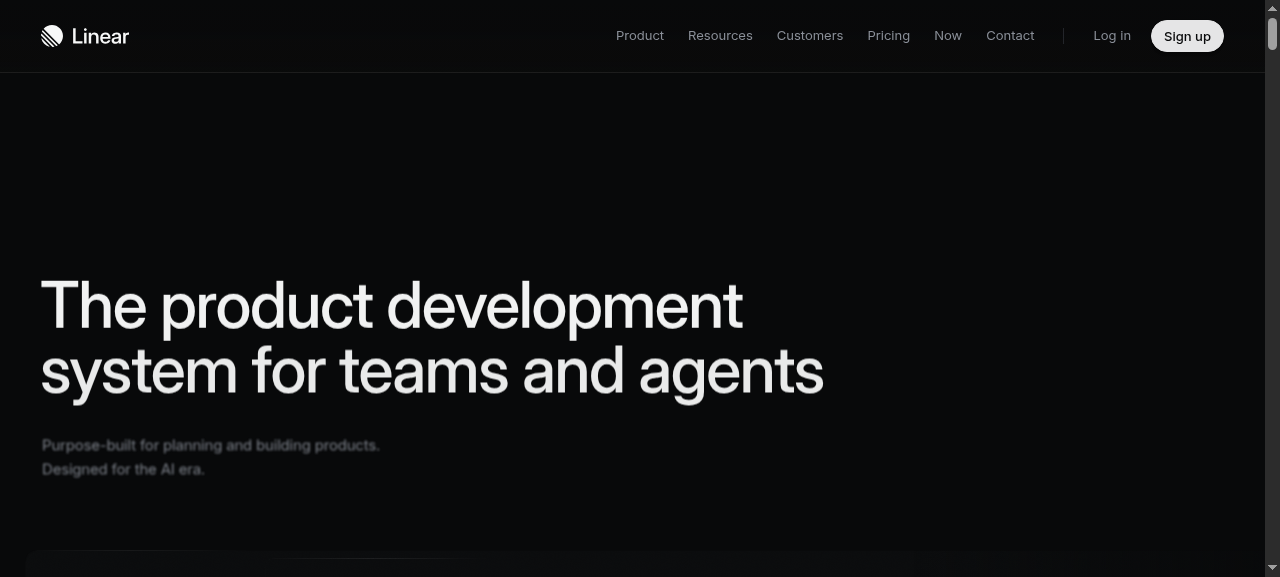
Linear Issue Tracking and Autonomous Agent Development Cycles

Video Blueprint: The Future of Work with AI Agents

Stanford Professor Diyi Yang on optimizing human-AI collaboration and structuring multi-agent workflows:

2. Orchestration, Issue Queues, and Agentic Task Handoffs

Effective multi-agent architectures mirror high-functioning engineering teams. By connecting autonomous workers to tools like Linear and Jira, agents pull unassigned tasks, generate pull requests, run integration suites, and post summaries for human review.

GitLab Enterprise DevSecOps CI/CD Platform and Automated Agent Pipelines

3. Hardened Operating Systems for Agent Execution

Autonomous agents require isolated runtime sandboxes with constrained network access, strict process quotas, and persistent audit logging. Linux containerization ensures agents execute bash scripts and database operations without collateral host risks.
Debian Linux Foundation for Enterprise Agent Execution Runtimes

Masterclass: Autonomous Software Factories

Deep dive into orchestrating fleets of agents, managing context budgets, and building self-healing automation loops:

4. The Standardized Tooling Foundation

The unifying fabric connecting language models to real-world APIs is the open-source software ecosystem. Standardized protocol layers like the Model Context Protocol (MCP) allow agents to read databases, query web search engines, and trigger transactions seamlessly.
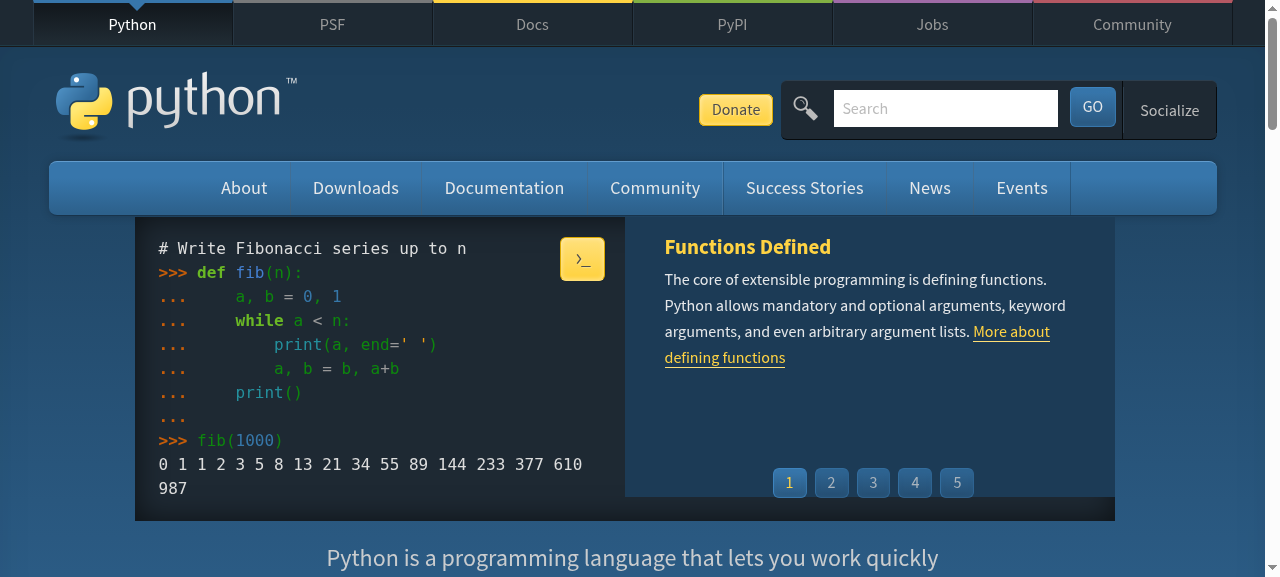
Python Software Foundation Platform and Ecosystem for Autonomous AI

Orchestrate Your Enterprise AI Workforce with AppSwifts

Looking to deploy multi-agent swarms, automated customer workflows, and resilient background software factories? AppSwifts engineers autonomous multi-agent systems built for real operations.

Consult with AppSwifts →

Comments

Popular posts from this blog

Sora Is Dead: 7 Best AI Video Generators to Use Instead in 2026

In March 2026, OpenAI officially shut down Sora — the AI video tool that took the world by storm just a year earlier. Millions of creators, marketers, and filmmakers were left scrambling for alternatives. The good news? The AI video landscape in 2026 is richer and more powerful than ever before. This guide covers the 7 best AI video generators you should be using right now, with detailed breakdowns of features, pricing, and who each tool is best for. Why Did Sora Shut Down? OpenAI retired the Sora consumer app in March 2026, redirecting resources toward its newer multimodal systems and agentic products. While Sora 2 had excellent photorealistic output, the platform lacked native audio, had limited free access, and required expensive ChatGPT Pro subscriptions ($200/mo). With competitors like Google Veo and Kling offering more features at lower costs, Sora lost its competitive edge. Quick Comparison: Best AI Video Generators in 2026 Tool Best For Free Tier Starting Price ...

AI Video Generation in 2026: Sora, Runway, Pika and the Best Text-to-Video Tools

AI video generation went from incoherent clips to usable footage in roughly eighteen months. The remaining gaps are consistency across shots and control over camera and motion. This guide compares the leading models on those two dimensions, and on cost per second of usable output. AI video generation is one of the most exciting and rapidly advancing frontiers in artificial intelligence in 2026. Tools that can turn a text description into a high-quality video clip in seconds have gone from science fiction to everyday reality. Whether you are a content creator, marketer, filmmaker, educator, or business owner, AI video generation tools offer extraordinary new creative possibilities at dramatically lower cost and effort than traditional video production. This guide covers the leading AI video generation tools in 2026, their capabilities, pricing, and which one is best for your needs. The Top AI Video Generation Tools in 2026 OpenAI Sora Sora is OpenAI's...

Best Payment Gateways for African Businesses in 2026

Getting paid online is one of the most critical pieces of infrastructure for any digital business in Africa. Whether you run an e-commerce store, a SaaS product, a travel agency, or a freelance service, choosing the right payment gateway determines whether you collect revenue reliably from local and international customers. Here is an in-depth breakdown of the best payment gateways for African businesses in 2026. 1. Flutterwave Best for: Pan-African payments and international collections Flutterwave is Africa's leading payment infrastructure provider, supporting over 30 currencies, debit/credit cards, mobile money (M-Pesa, MTN Mobile Money, Airtel Money), bank transfers, and USSD. Flutterwave is fully available in Nigeria, Kenya, Ghana, Rwanda, Uganda, South Africa, Tanzania, and across the continent. Robust REST APIs and plugins make integration seamless across web and mobile platforms. 2. Paystack Best for: Nigerian and West African business...