Tourism and hospitality represent critical economic engines across Africa, driving foreign exchange, preserving cultural heritage, and supporting millions of livelihoods from Kenya's safari circuits to Cape Town's coastal resorts and Rwanda's high-end ecotourism. In 2026, artificial intelligence has moved from experimental gimmicks into the operational backbone of travel businesses — optimizing dynamic pricing, automating multilingual guest messaging, streamlining booking distributions, and refining itinerary curation.
The modern traveler expects personalized, instant communication across WhatsApp and mobile channels. Operators who integrate language models into their central reservation systems (CRS) and property management systems (PMS) reduce response latency from hours to seconds while lifting direct booking margins.
Key AI Capabilities Powering Hospitality in 2026
- Dynamic Revenue Management: Algorithmic rate adjustments responding to flight search volume, local event velocity, competitor occupancy, and seasonal booking windows.
- Autonomous Multilingual Concierges: 24/7 guest communication handling booking inquiries, dietary requirements, airport transfers, and activity recommendations without human staff burnout.
- Review Intelligence & Sentiment Analysis: Automatic semantic clustering across reviews from TripAdvisor, Google, and OTAs to pinpoint operational bottlenecks (Wi-Fi, housekeeping, breakfast pacing).
- Predictive Inventory & Waste Reduction: Food and beverage forecasting models aligning buffet procurement with confirmed guest profiles and historical consumption.
Video Masterclass: The State of AI in Tourism & Tour Operations
Watch this practical industry briefing on how independent tour operators and lodge owners deploy AI to capture direct bookings:
1. Programmatic Flight & Hotel Integration (Amadeus Python SDK)
Connecting travel platforms directly to global distribution systems (GDS) enables automated booking verification, fare tracking, and real-time availability checks.
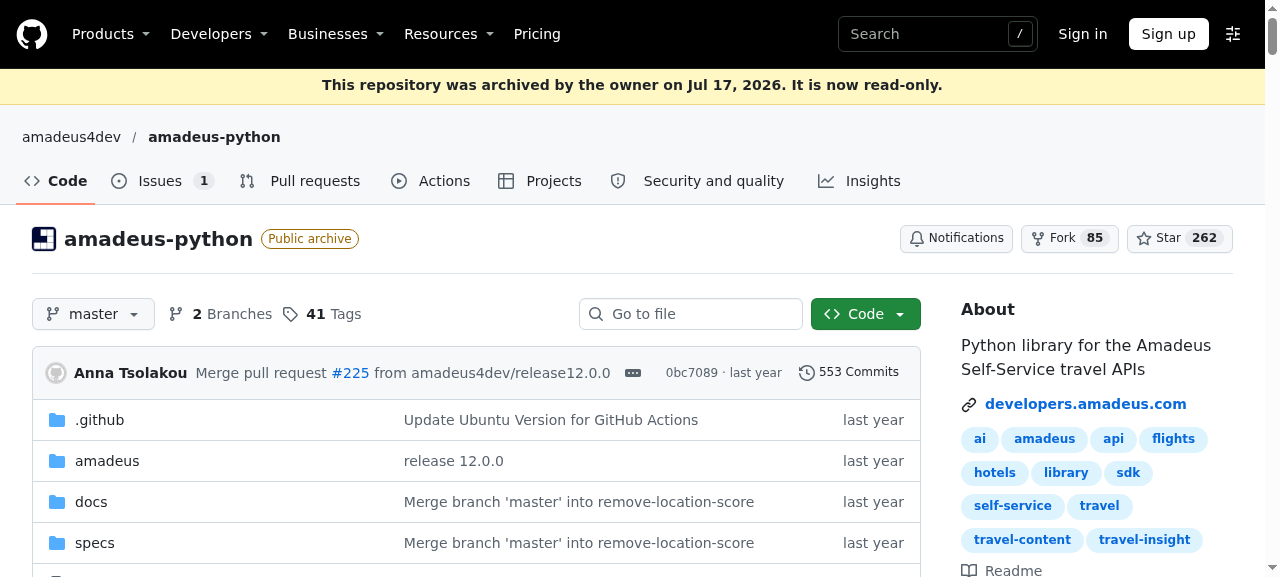
With programmatic SDKs, travel platforms can build conversational itinerary agents that search flight connections, hotel beds, and transfer routes in unified API calls.
2. Cloud Revenue Strategy & Dynamic Pricing (Duetto)
Modern hotels optimize Revenue Per Available Room (RevPAR) through continuous rate recommendations calculated against historical pickup pace.
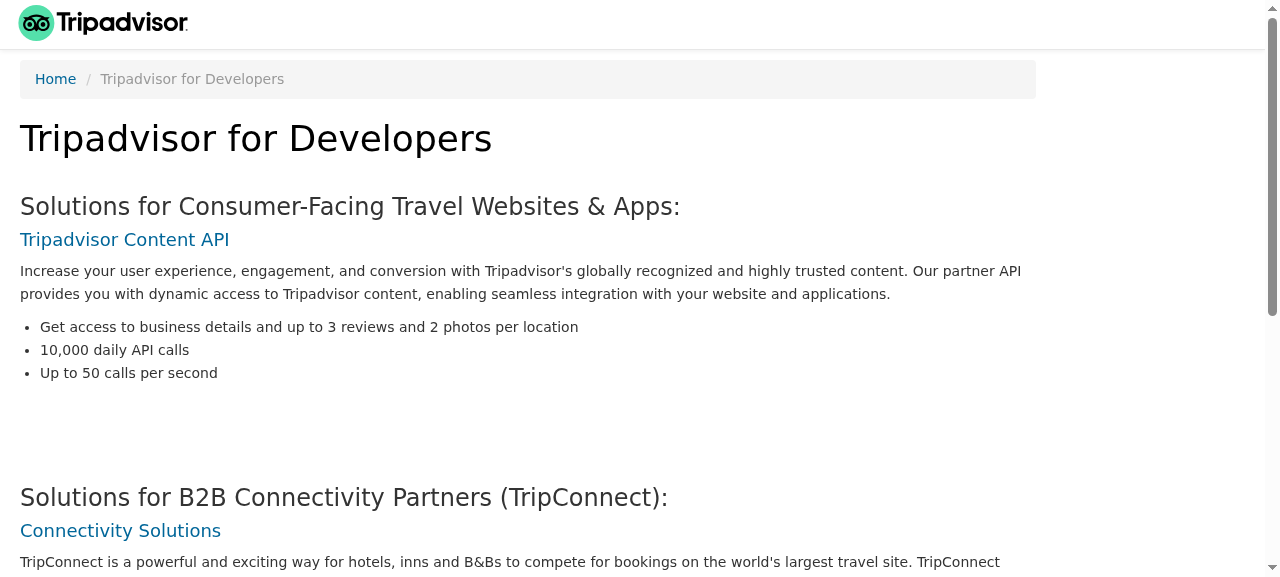
3. Reputation Analytics & Verified Reviews (Tripadvisor Content API)
Aggregating traveler ratings and sentiment data to benchmark properties against regional competitors and track customer satisfaction trends over time.
4. Next-Gen Cloud PMS & Guest Experience (Mews)
Open API property management systems enable automated mobile check-ins, digital key issuance, and frictionless folio billing.
Industry Discussion: Delivering Smarter Guest Experiences with Hospitality AI
Panel analysis on avoiding tool fatigue, connecting data silos, and maintaining personal human hospitality in an automated world:
Hospitality AI Operations Matrix
| Operational Pillar | Primary Framework / API | Direct Business Metric |
|---|---|---|
| Revenue Management | Duetto / IDeaS | RevPAR & ADR optimization across high/low seasons |
| Global Distribution | Amadeus Travel API | Direct real-time inventory synchronization across OTAs |
| Guest Communication | WhatsApp Business API + LLM | Sub-minute inquiry response times and direct booking conversion |
| Reputation Management | Tripadvisor API | Automated review summaries and actionable service alerts |
In hospitality, artificial intelligence succeeds when it works invisibly behind the scenes — removing administrative friction so service staff can focus on authentic human guest connection.
Scale Your Hospitality Technology with AppSwifts
Are you building custom booking engines, safari itinerary automation, or multilingual guest concierges? AppSwifts builds end-to-end tourism software and API architectures tailored for hospitality leaders.
Comments
Post a Comment