Africa represents the fastest urbanizing continent on earth. From Lagos Island and Nairobi's Westlands to the rapid development of secondary cities like Kigali, Accra, and Addis Ababa, the demand for residential, commercial, and industrial property is unprecedented. In 2026, artificial intelligence is revolutionizing property valuation, geospatial land discovery, construction management, and automated tenant screening.
Historically, property markets in emerging markets suffered from severe information asymmetry, fragmented land registries, and manual appraisal processes. Today, Automated Valuation Models (AVMs), satellite computer vision, and geospatial Python tooling bring transparency and objective pricing to property transactions.
The Four Pillars of Real Estate AI Transformation
- Automated Valuation Models (AVMs): Hedonic regression and gradient-boosted trees predicting price per square meter from historical deeds and neighborhood characteristics.
- Geospatial Intelligence: Remote sensing measuring urban expansion, road proximity, and infrastructure density via GIS data layers.
- Predictive Maintenance & IoT: Smart building sensor networks monitoring HVAC, power consumption, and water infrastructure.
- Alternative Credit Underwriting: Assessing mortgage eligibility using mobile money and telecom transaction history for informal workers.
Video Masterclass: PropTech Startups to Watch in 2026
Watch this practical survey of generative property management, automated lease workflows, and real estate AI software:
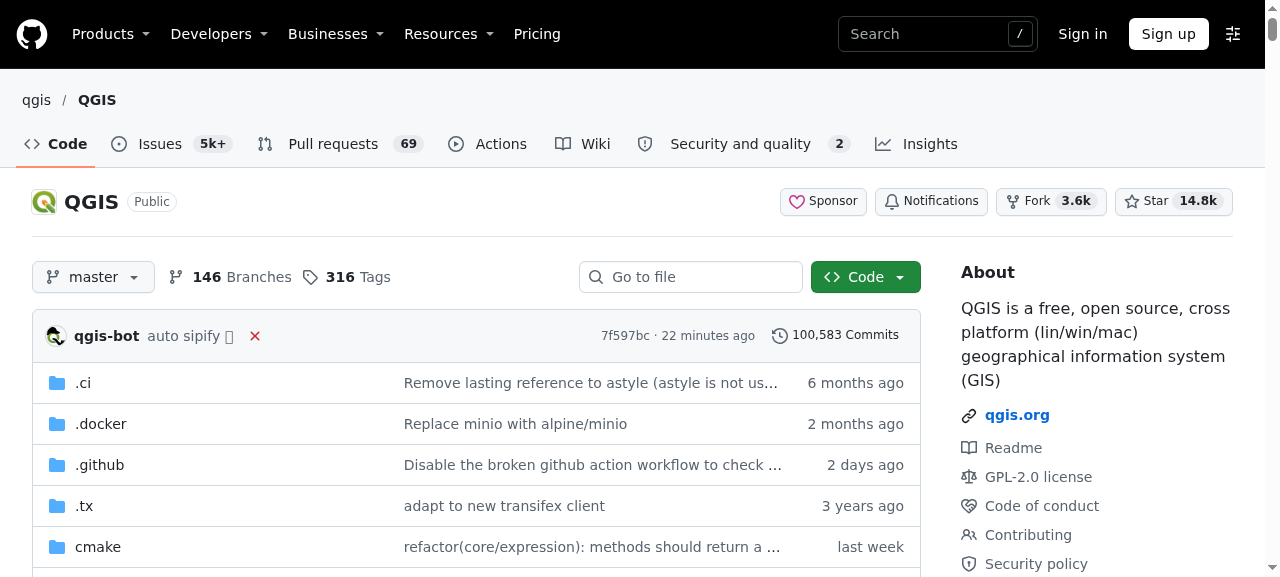
1. Geospatial Data Science & Parcel Boundaries (GeoPandas)
Building real estate analytics requires combining shapefiles, spatial coordinates, and demographic census records in clean Python pipelines.

GeoPandas enables spatial joins between cadastral boundaries and property sale records, calculating distance to arterial roads and business districts.
2. Algorithmic Price Prediction & Appraisal (Scikit-Learn)
Deploying automated appraisal algorithms requires robust cross-validation and feature engineering across building age, square footage, and amenities.

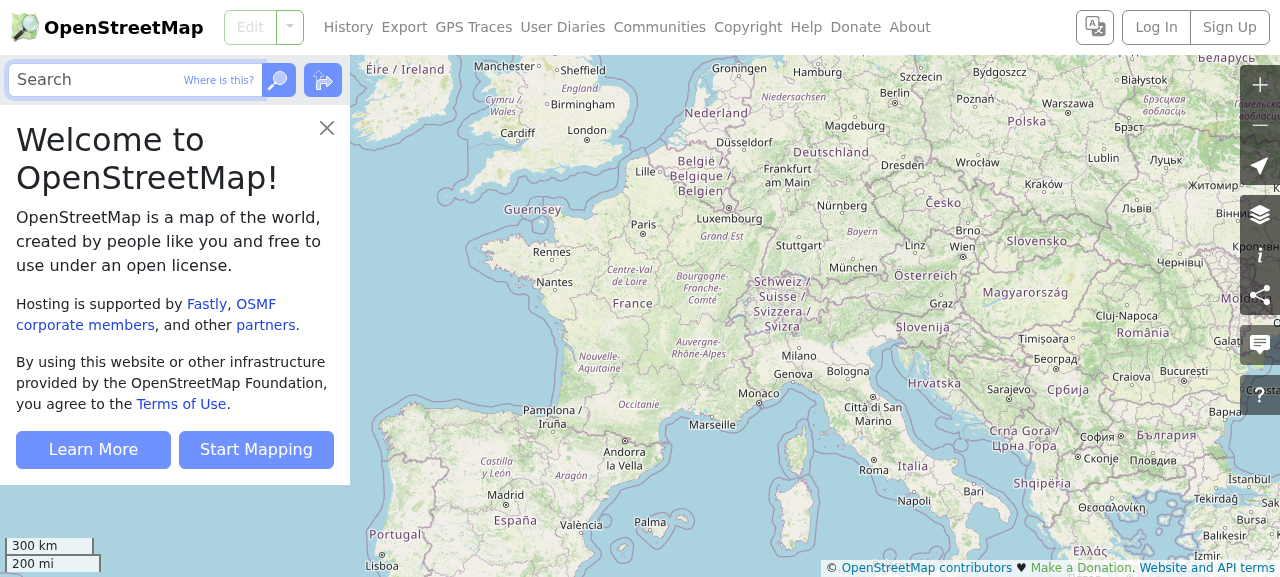
3. Open Urban Mapping & Infrastructure Layers (OpenStreetMap)
Open mapping data provides crowdsourced infrastructure and street-level connectivity data essential for evaluating neighborhood appreciation trends.
4. Market Listing Intelligence & Search Portals (Property24)
Leading portals deploy recommendation engines and computer vision image tagging to parse interior finish quality from listing photo galleries.

Operational Review: Smart Buildings & Data-Driven Real Estate Management
Panel discussion on operational intelligence, automated tenant support, and energy optimization across modern real estate portfolios:
PropTech Intelligence Matrix
| Technology Layer | Open Tool / Framework | Operational Outcome |
|---|---|---|
| Valuation Modeling | Scikit-Learn / XGBoost | Sub-second automated property appraisals (AVMs) |
| Spatial Analysis | QGIS / GeoPandas | Demographic density and infrastructure distance scoring |
| Building Automation | Home Assistant / MQTT | Smart metering, leak detection, & HVAC energy reduction |
| Cadastral Verification | PostGIS / OpenStreetMap | Clean parcel boundary mapping and land title audit checks |
By transforming raw spatial coordinates and deed records into structured data pipelines, African proptech developers are reducing transaction friction and expanding access to property ownership.
Build PropTech & Real Estate Solutions with AppSwifts
Deploying automated valuation engines, geospatial analytics, or digital property management platforms? AppSwifts builds scalable web applications, GIS data layers, and secure cloud architectures for modern real estate innovators.
Comments
Post a Comment