The media and entertainment industries across Africa are experiencing an unprecedented renaissance. From Nollywood’s cinematic expansion and the global dominance of Afrobeats and Amapiano to vibrant digital animation studios across Kenya, South Africa, and Ghana, African creators are shaping global culture. In 2026, generative AI, neural audio processing, and automated post-production pipelines are transforming how stories are written, edited, voiced, and distributed.
Rather than replacing human creativity, modern media workflows treat generative models as powerful collaborators. Creators leverage node-based diffusion engines, high-speed neural voice synthesis, and programmatic video rendering to produce studio-grade visual and auditory content at a fraction of traditional production costs.
The Four Pillars of AI in Media Production
- Generative Imagery & Visual FX: Controllable node-based diffusion pipelines (ControlNet, IP-Adapter, LoRAs) maintaining character consistency across cinematic scenes.
- Neural Audio & Multilingual Dubbing: High-fidelity text-to-speech and zero-shot voice cloning translating dialogue into regional dialects with authentic inflection.
- Automated Speech Transcription: Sub-second speech-to-text generating timestamped captions and multilingual subtitles for streaming platforms.
- Programmatic Video Composition: Automating repetitive montage cuts, aspect-ratio reframing for social formats, and dynamic motion graphics.
Video Masterclass: Post-Production in the Age of AI — Faster Tools, Higher Standards
Watch this Silicon Valley Video Summit briefing on how editors, motion designers, and media teams adapt to generative workflows:
1. Low-Latency Neural Speech-to-Text (Faster-Whisper)
High-accuracy audio transcription enables automatic subtitle generation, podcast searchability, and media content cataloging across diverse acoustic environments.
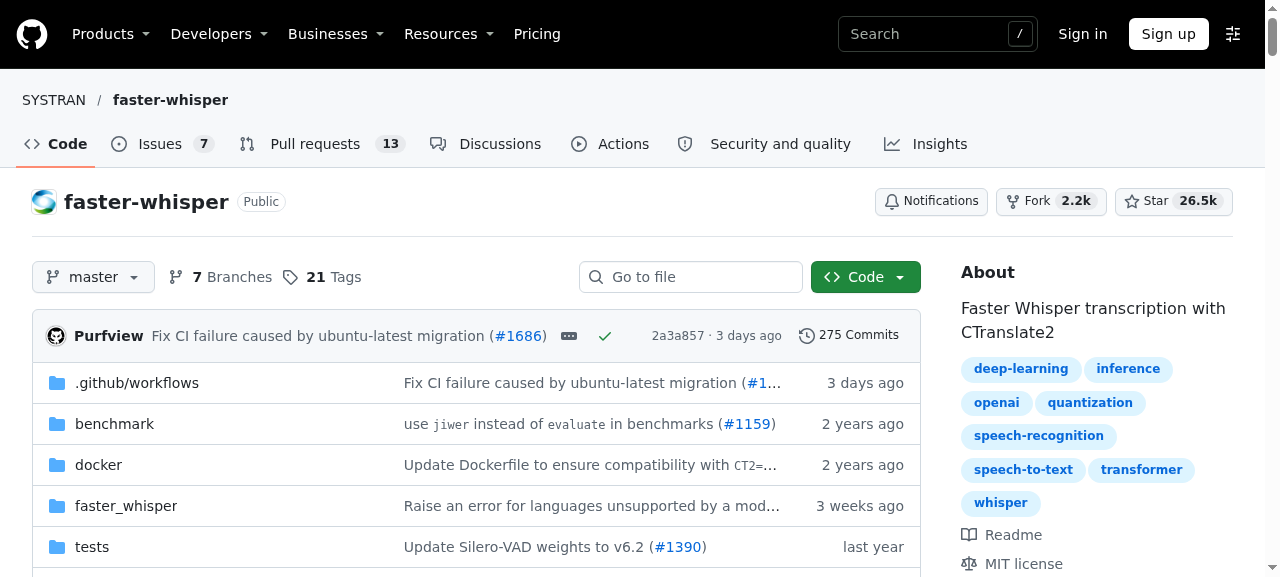
Built on CTranslate2, Faster-Whisper provides up to 4x faster execution speeds than standard implementations, allowing editors to transcribe hour-long footage in seconds.
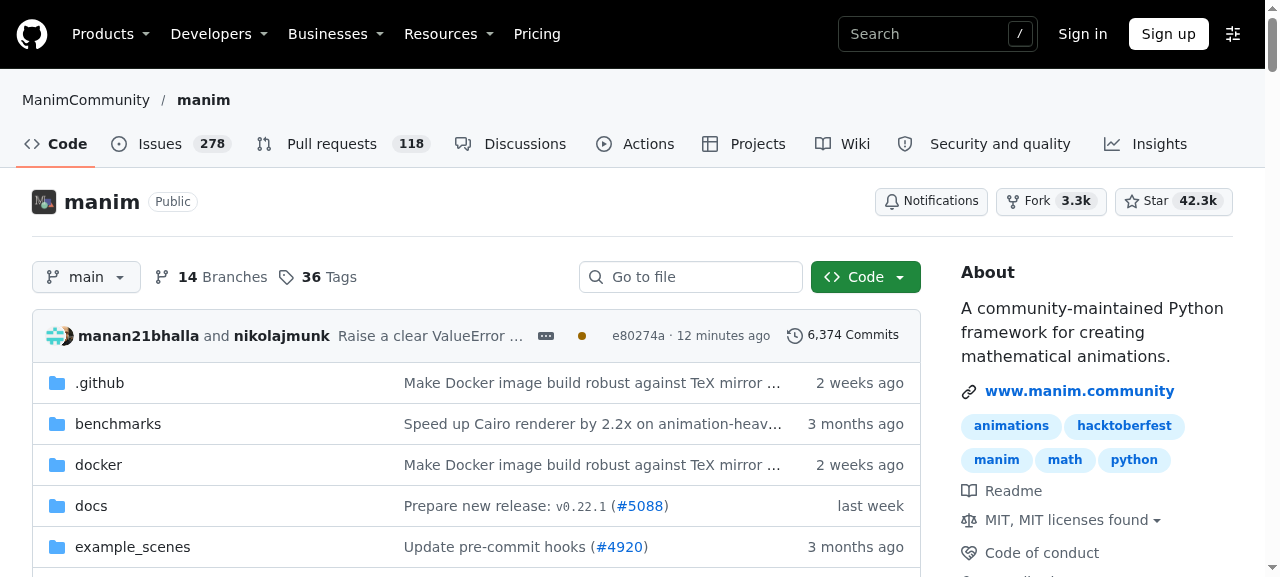
2. Programmatic Mathematical & Explainer Motion Graphics (Manim)
Creating precise animated educational sequences and technical motion graphics using programmatic code rather than manual timeline keyframing.
3. High-Speed Open Source Neural Speech Synthesis (Kokoro-82M)
Lightweight 82M-parameter text-to-speech architectures deliver expressive voiceovers for audiobooks, video narrations, and games at 50x real-time inference speeds.

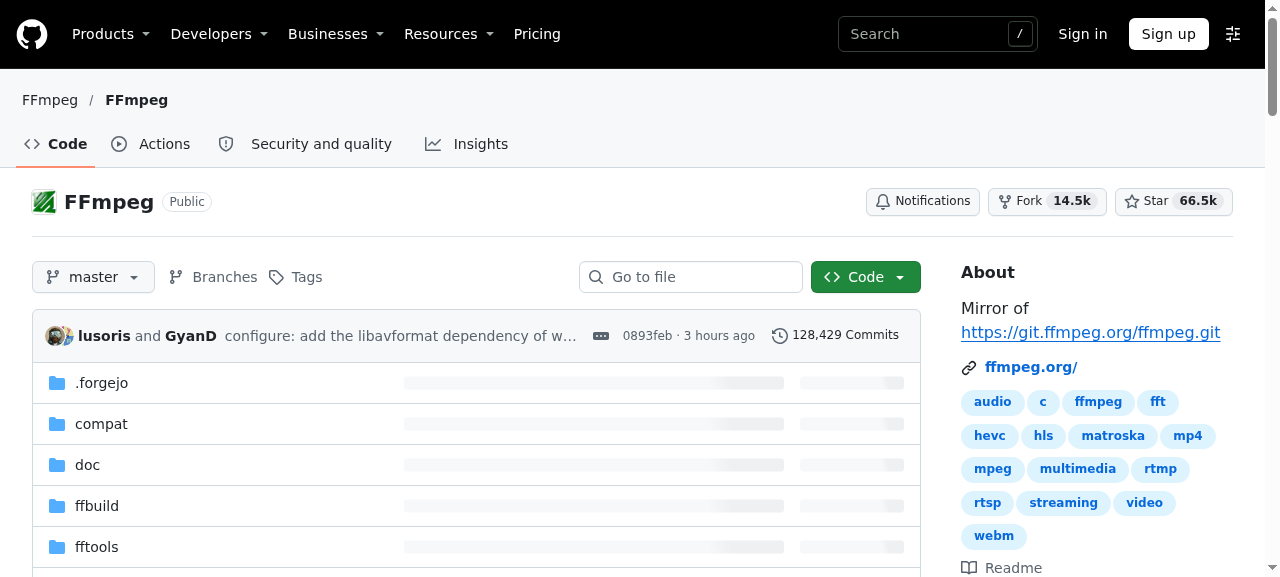
4. The Universal Audio/Video Transcoding Engine (FFmpeg)
Programmatic video scaling, audio muxing, color-space mapping, and HLS streaming segment generation are powered by the industry standard multimedia framework.
Industry Executive Briefing: The Future of Digital Entertainment and AI
Media leaders discuss IP creation, commercial AI workflows, and how creative agencies scale audience engagement:
Modern Media AI Production Stack
| Stage | Core Technology | Production Benefit |
|---|---|---|
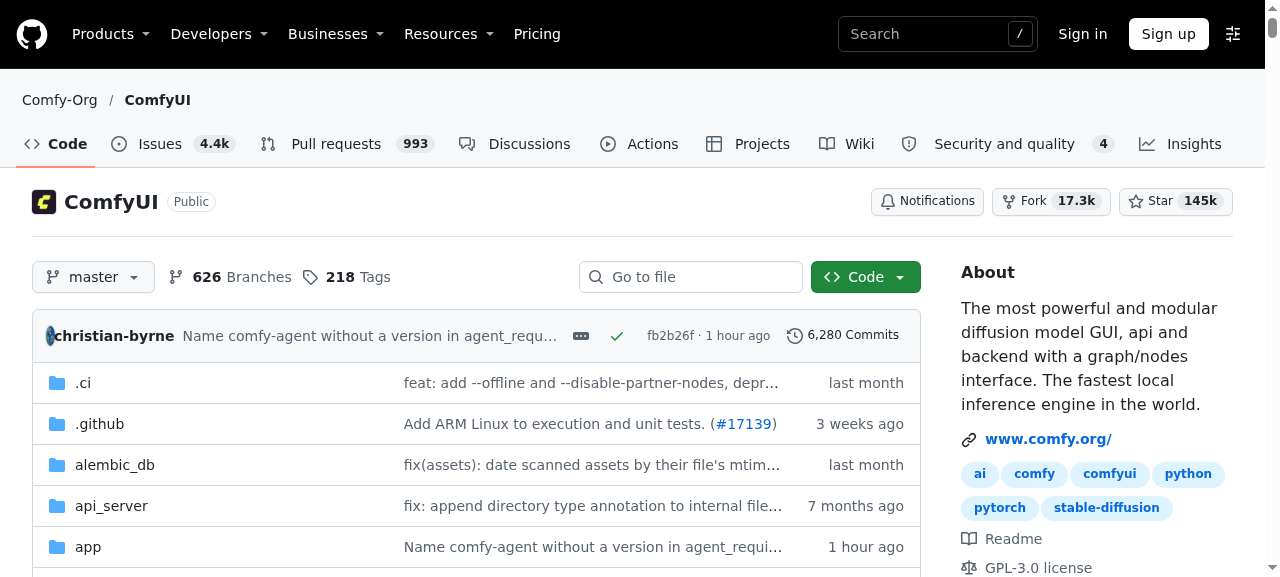
| Concept & Visuals | ComfyUI / Stable Diffusion | Consistent character generation and cinematic keyframes |
| Voice & Audio | Kokoro / ElevenLabs | Instant studio-quality narration in custom voices |
| Captions & Subtitles | Faster-Whisper | Zero-latency multi-language subtitles and transcripts |
| Assembly & Transcode | FFmpeg | Automated headless rendering, compression, and social cuts |
The convergence of open-source neural models with robust media processing pipelines empowers independent African filmmakers, animators, and digital studios to compete on quality and speed with global media giants.
Build Next-Generation Media Pipelines with AppSwifts
Are you building automated video creation platforms, audio processing services, or scalable generative apps? AppSwifts builds high-performance multimedia engines and cloud architectures for entertainment innovators.
Comments
Post a Comment