As Africa’s digital economy accelerates — expanding mobile money transactions across hundreds of millions of users, migrating commercial banking to hybrid clouds, and adopting digital e-government portals — the continent’s cyber attack surface expands proportionally. With cybercrime costing African organizations billions annually, defensive teams face sophisticated automated threat actors while operating with constrained human security staffing. In 2026, artificial intelligence is the critical defensive force multiplier — accelerating incident detection, automating root-cause triage, and blocking intrusions in real time.
Defending distributed cloud and enterprise workloads requires shifting away from manual log review to autonomous event correlation. By combining open SIEM pipelines, behavioral anomaly detection, and automated threat-hunting heuristics, security operations centers (SOCs) reduce Mean Time to Detect (MTTD) from weeks to seconds.
The Four Fronts of AI Cyber Defense
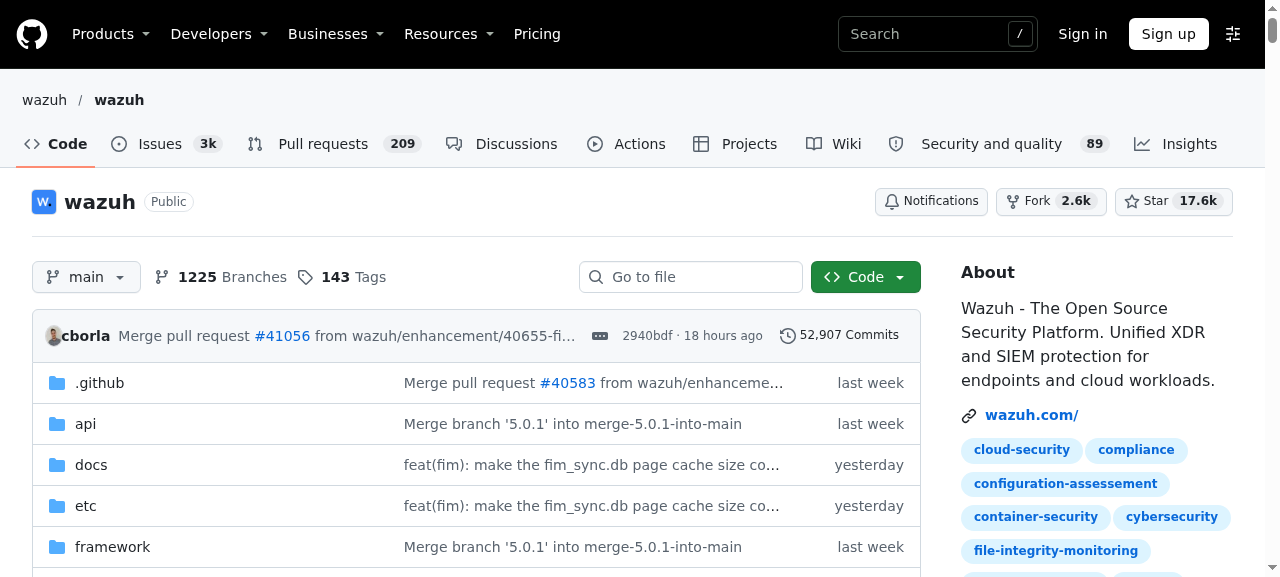
- Autonomous Threat Detection & SIEM: Ingesting millions of telemetry events daily to isolate genuine intrusion patterns from normal baseline noise.
- Financial Fraud & AML Classification: Real-time feature scoring evaluating device fingerprinting, transaction velocity, and recipient risk profiles across payment gateways.
- Network Behavior & Anomaly Analysis: Unsupervised deep learning detecting lateral movement, beaconing command-and-control channels, and encrypted data exfiltration.
- Automated Vulnerability Scanning: Continuous scanning of public attack surfaces and exposed APIs to prioritize patch queues based on real-world exploitability.
Video Masterclass: How Cybersecurity Leaders Win with AI & Secure Agentic Workflows
Watch this executive briefing on managing AI attack surfaces, prompt injection risks, and defensive automation:
1. Deep Network Behavioral Analysis & Protocol Inspection (Zeek)
Transforming raw packet traffic into structured transaction logs across DNS, HTTP, SSL, and SSH connections to train baseline behavioral models.
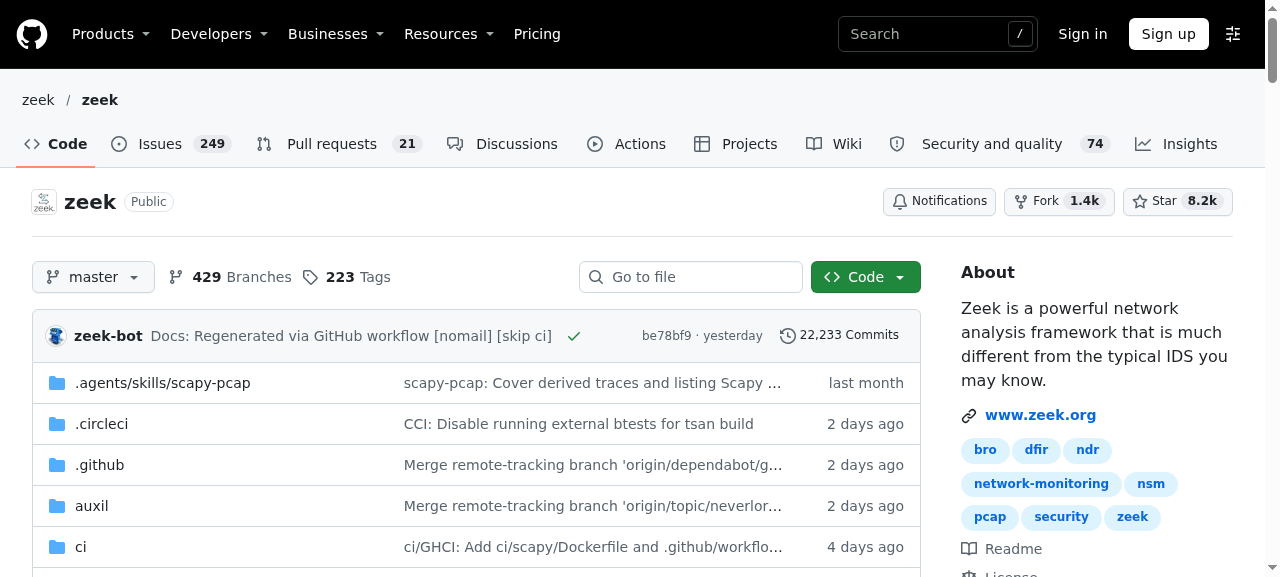
Zeek enables security engineers to detect unauthorized protocol tunneling, malicious certificate exchanges, and suspicious outbound data transfers.
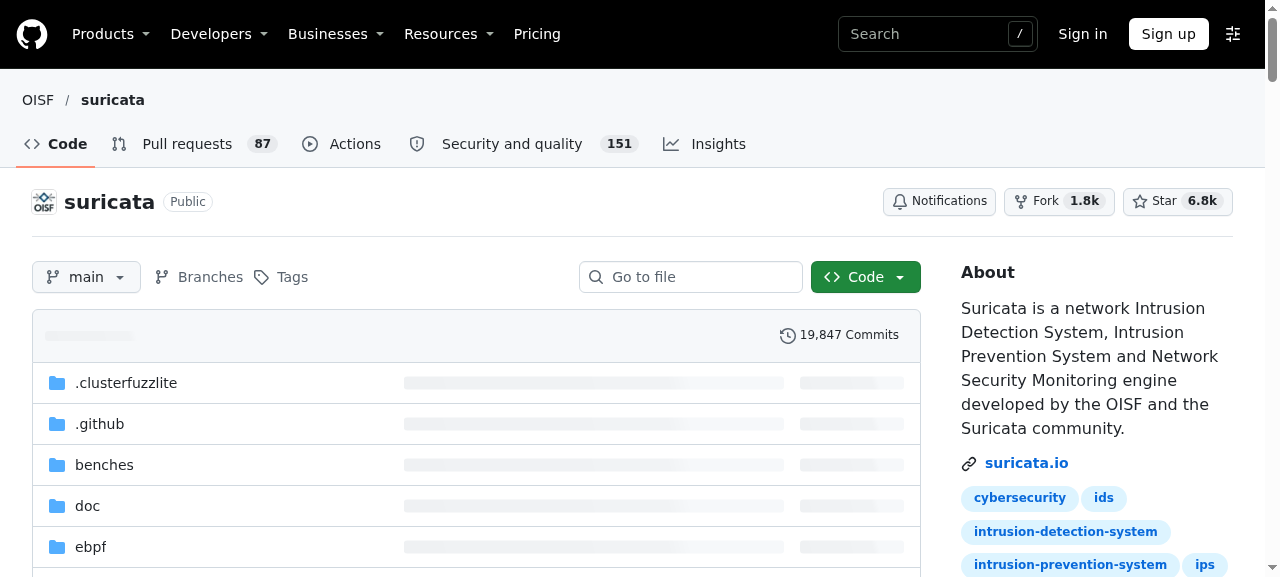
2. High-Performance Intrusion Detection & Prevention (Suricata)
Multi-threaded network security monitoring providing signature-based deep packet inspection and automated threat blocking at line rate.
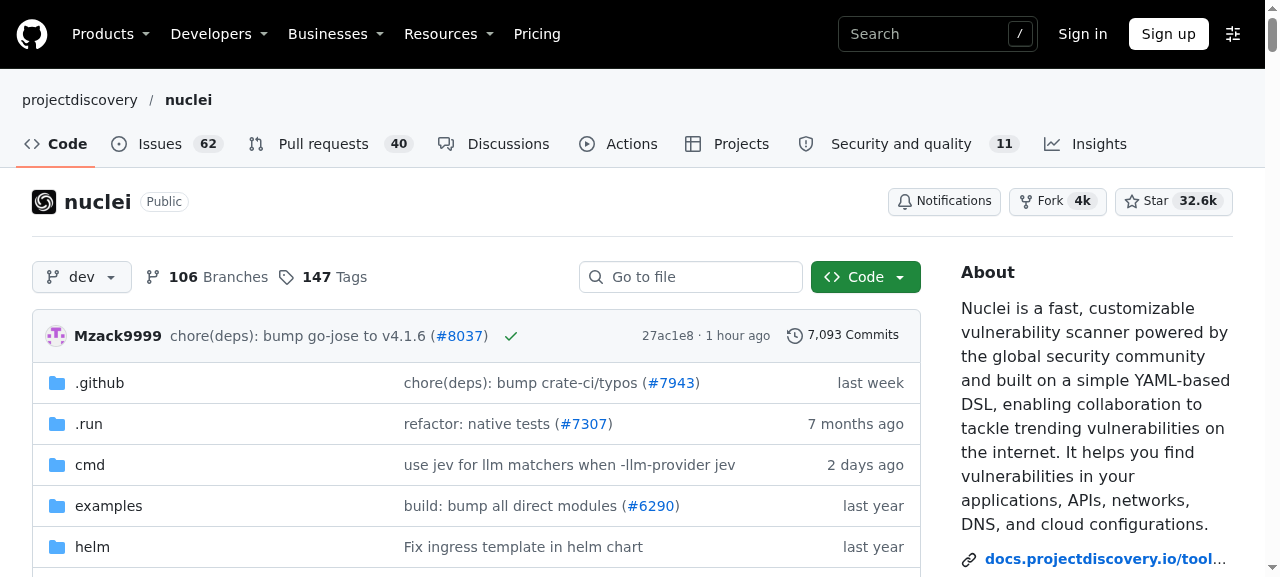
3. Automated Vulnerability Scanning & Surface Recon (Nuclei)
Fast community-powered YAML templates scanning public infrastructure, API endpoints, and web applications for misconfigurations and known zero-day exposures.
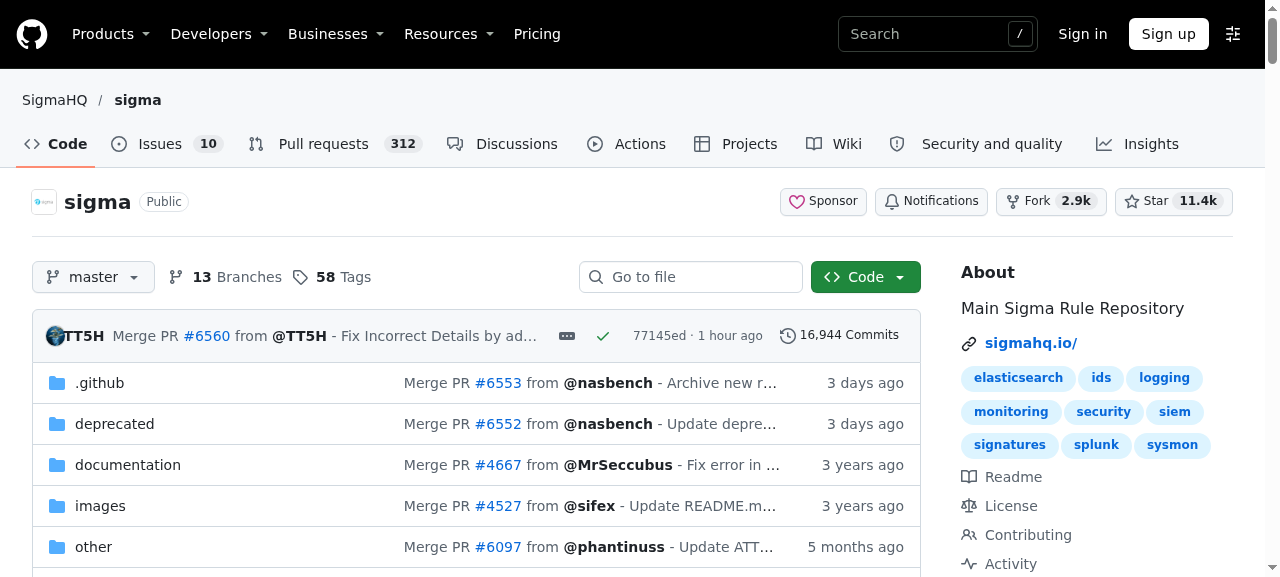
4. Universal Detection Rule Standardization (Sigma)
Generic signatures describing malicious behavioral patterns across endpoints, converted automatically into queries for Elasticsearch, Splunk, or Wazuh.
Industry Briefing: CISO Perspectives on AI Defense and Internal Threat Modeling
In-depth discussion from RSAC on managing identity risk, securing automated agent permissions, and building resilient security operations:
AI Cyber Defense Technology Matrix
| Security Layer | Open Source / Platform Standard | Core Operational Benefit |
|---|---|---|
| Endpoint & SIEM | Wazuh / Elastic Security | Unified log aggregation and automated response actions |
| Network Anomaly | Zeek / Suricata | Protocol extraction and line-rate deep packet inspection |
| Attack Surface Scan | ProjectDiscovery Nuclei | Automated API scanning and rapid patch verification |
| Rule Portability | Sigma HQ | Shared threat detection signatures deployed across SIEM backends |
Building resilient cybersecurity across Africa requires pairing modern AI anomaly engines with open standard detection formats. This ensures enterprise infrastructure remains safeguarded against automated threats while preserving customer privacy.
Harden Your Cloud Security Posture with AppSwifts
Are you deploying secure financial applications, multi-tenant databases, or autonomous AI agents? AppSwifts builds zero-trust cloud architectures, audited API gateways, and resilient infrastructure engineered to withstand adversarial threats.
Comments
Post a Comment