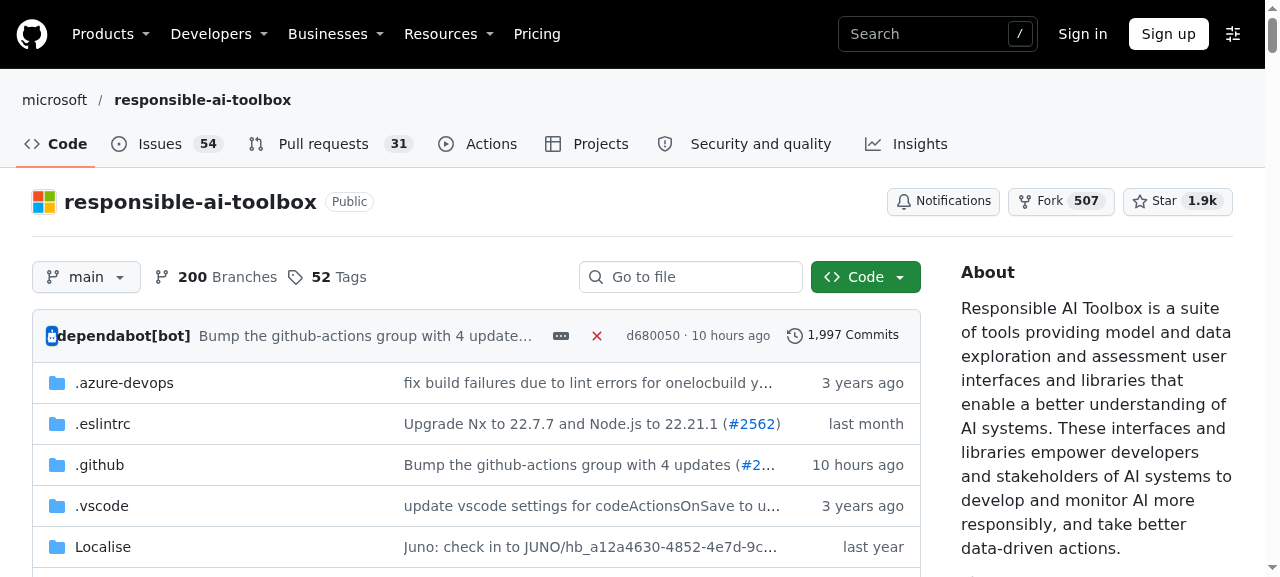
Working on regulatory compliance and automated scoring systems across African markets reveals how quickly algorithmic deployment can outpace statutory protections. While machine intelligence brings unprecedented efficiency, deploying models without rigorous bias auditing risks systemic exclusion. This guide covers the practical realities of AI ethics, fairness toolkits, data protection regulations, and governance frameworks across Africa in 2026.
Artificial intelligence is transforming access to credit, healthcare triage, and judicial administration across the continent. However, because many foundational models were trained predominantly on non-African datasets, uncalibrated deployments can amplify socioeconomic disparities. Responsible AI development in Africa requires proactive technical governance, clear accountability channels, and algorithmic transparency.
Core Pillars of Responsible AI Governance in Africa
Effective AI governance requires moving beyond abstract ethical principles into concrete engineering guardrails:
- Demographic Representation: Ensuring training sets include diverse African linguistic groups, local dialect variations, and authentic demographic profiles.
- Explainable Predictions: Mandating interpretable decision paths for automated credit decisions, employment screenings, and public welfare allotments.
- Data Sovereignty & Privacy: Enforcing compliance with national frameworks like Kenya's Data Protection Act, Nigeria's NDPR, and South Africa's POPIA.
- Continuous Auditing: Setting up recurring statistical checks for disparate impact across gender, ethnicity, and geography.
Video Masterclass: Governing AI in Africa at Pan-African Scale
Watch this key address from the Deep Learning Indaba on data sovereignty, policy enforcement, and independent African AI governance:
1. Model Fairness & Disparate Impact Auditing (Fairlearn)
Engineering teams mitigate bias by integrating algorithmic assessment tools into CI/CD pipelines before production releases.
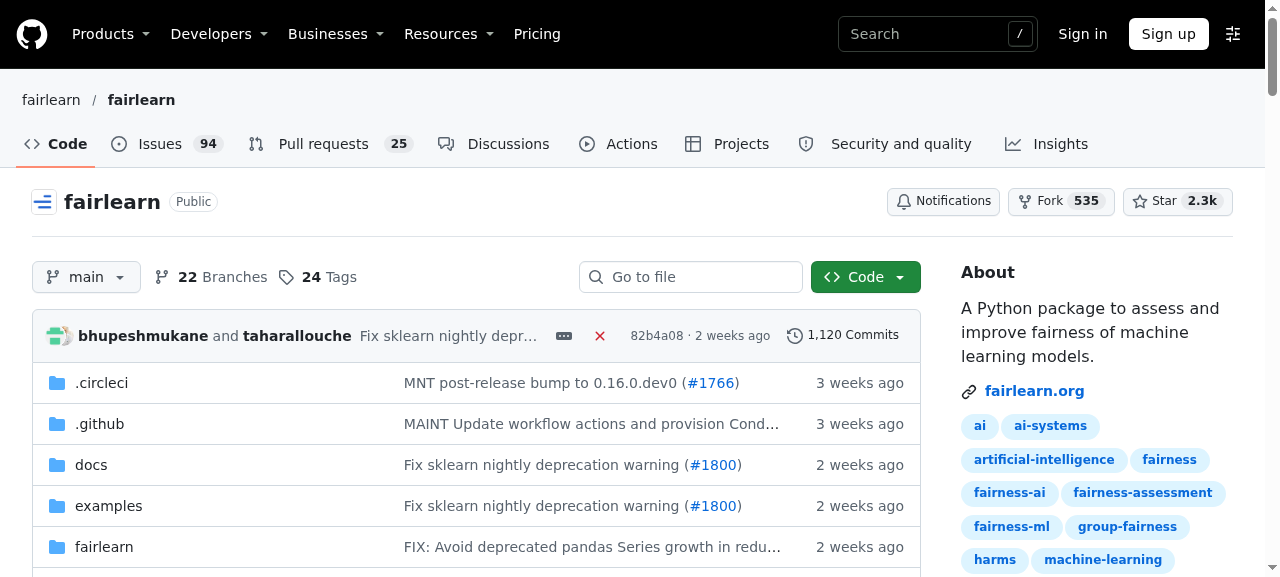
Tools like Fairlearn provide demographic parity metrics and bounded optimization algorithms that equalize false positive rates across protected subgroups.
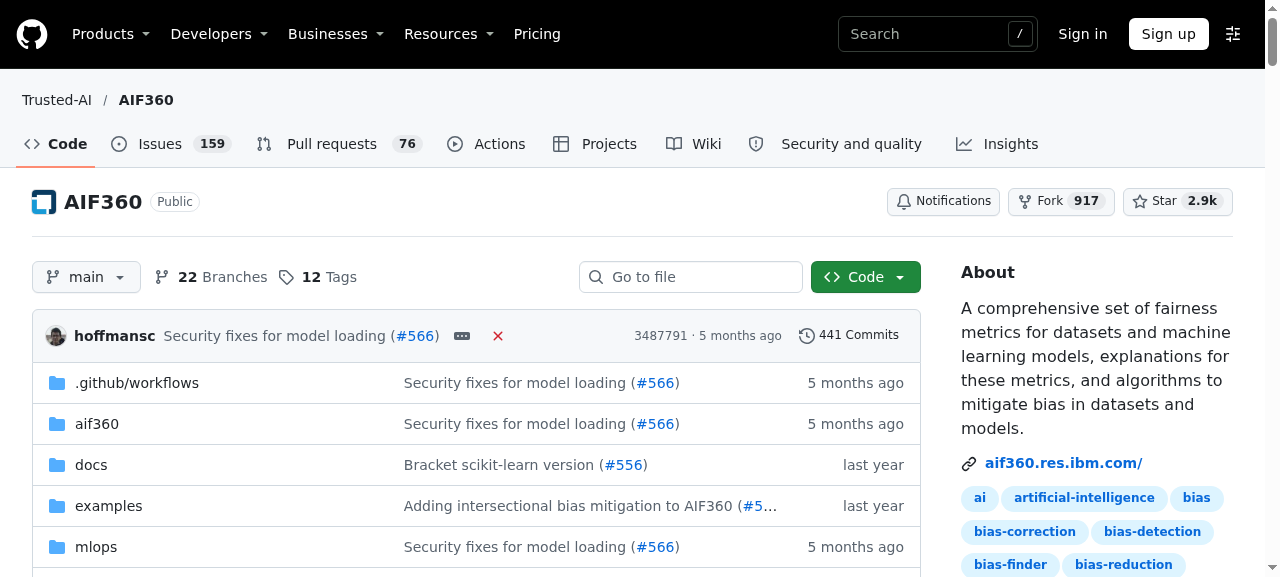
2. Comprehensive Bias Mitigation & Explainability (AI Fairness 360)
For high-risk environments like automated loan underwriting, teams deploy end-to-end fairness toolkits across pre-processing, in-processing, and post-processing stages.
3. Digital Rights & Civil Liberties Advocacy (CIPESA)
Civil society organizations track surveillance deployments, algorithmic election monitoring, and digital human rights across East and Southern Africa.

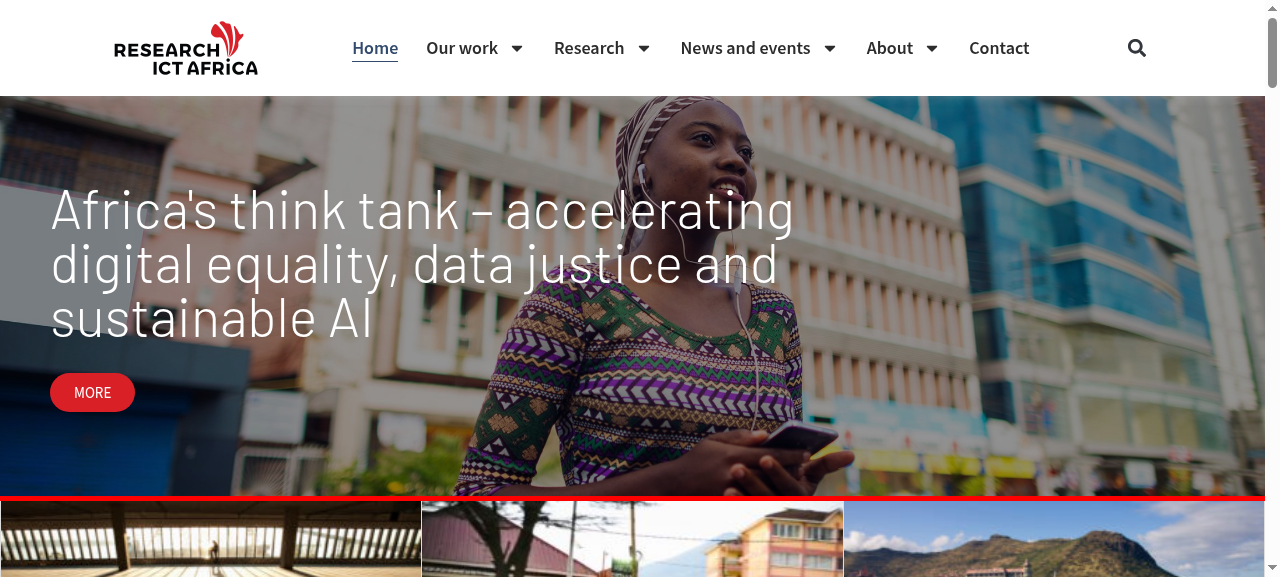
4. Empirical Policy Analysis & Data Justice (Research ICT Africa)
Evidence-based research into data extraction, labor conditions in data labeling hubs, and cross-border data transfer policies informs continental legislation.
Panel Breakdown: AI-Powered Credit Scoring and Lending Compliance
In-depth discussion on financial inclusion, regulatory oversight, and compliance challenges in AI lending across African fintech:
Technical Governance Matrix
| Governance Layer | Key Standard / Tool | Verification Method |
|---|---|---|
| Pre-Deployment Audit | Fairlearn / AIF360 | Disparate impact ratio > 0.8 across sub-cohorts |
| Data Protection | POPIA / NDPR / GDPR | Explicit consent, field minimization, right of erasure |
| Decision Explainability | SHAP / LIME | Feature importance breakdowns sent with automated refusals |
| Operational Monitoring | Evidently AI / MLflow | Real-time drift alerts on production feature distributions |
Building trustworthy AI in Africa is not about constraining innovation — it is about establishing the technical rigor required for sustainable, equitable scale.
Build Compliant Enterprise AI Systems with AppSwifts
Are you deploying customer-facing AI models, automated financial underwriting, or sensitive data systems? AppSwifts builds compliant, audited, and secure enterprise architectures engineered for production reliability.
Comments
Post a Comment