
Dropshipping has undergone a complete architectural transformation. The old model of manually copying AliExpress listings, handwriting ad copy, and fielding support tickets 16 hours a day is obsolete. In 2026, high-volume e-commerce operates on programmatic automation: AI algorithms detect emerging viral demand signals, generative pipelines produce branded creative assets, and autonomous agents handle supplier sync and customer triage. This guide delivers a complete developer and founder roadmap to building an automated AI e-commerce engine.
1. Programmatic Product Research & Trend Scraping
Success in modern dropshipping is determined by how early you identify rising consumer interest before ad auctions become saturated. Instead of manual scrolling, automated pipelines leverage AI scrapers across TikTok, Instagram Reels, and Pinterest to flag viral product velocity.
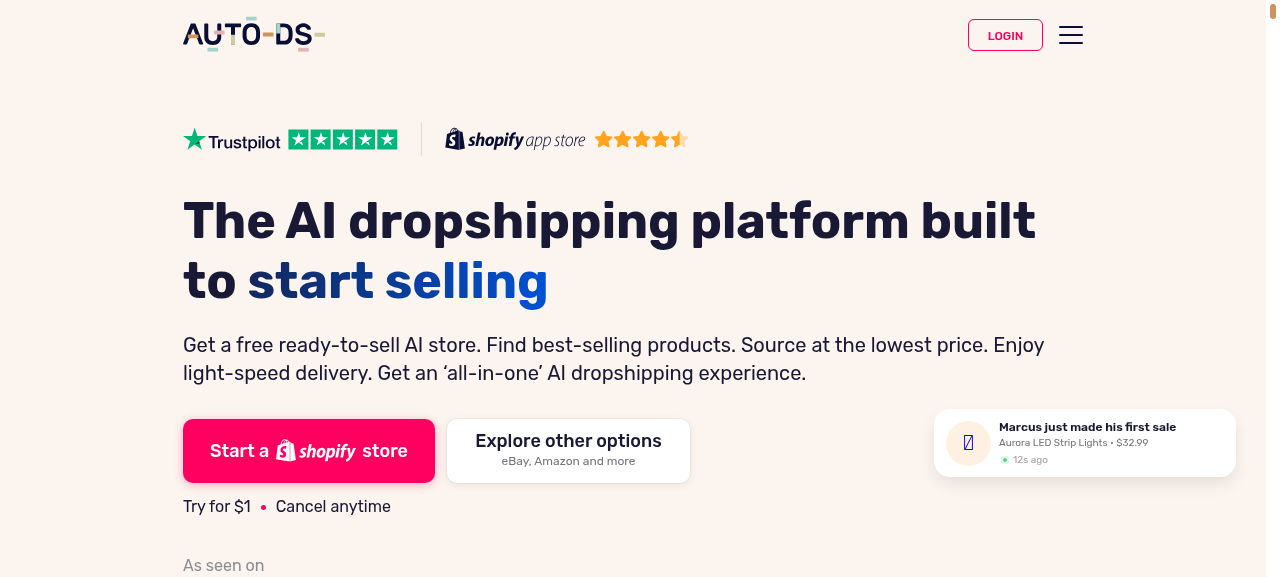
2. Autonomous Storefront Generation
Converting cold traffic requires high-converting landing pages tailored to specific buyer personas. Using headless commerce APIs with platforms like Shopify and custom automation scripts, founders generate full product catalogs, benefit matrices, FAQ accordions, and SEO-optimized schema tags in seconds.
Video Tutorial: Building an AI Dropshipping Store Step-by-Step
Watch this practical walkthrough detailing how to construct and launch an AI-powered e-commerce storefront:
3. Automated Creative Assets & Dynamic Fulfillment
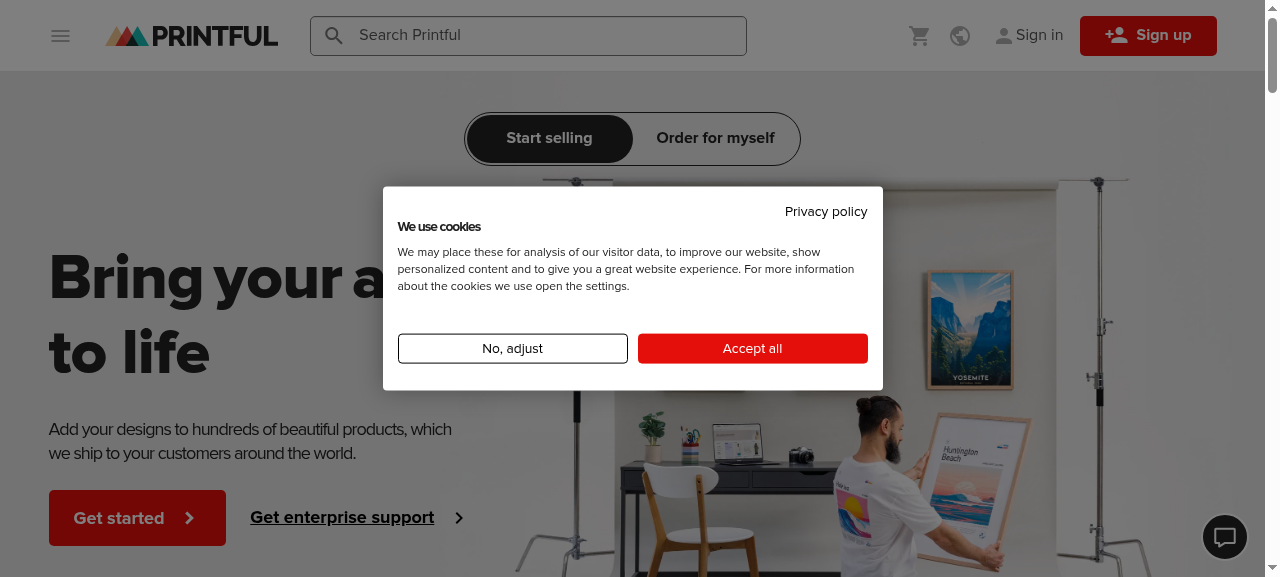
Scaling orders requires seamless integration with reliable fulfillment partners. Whether connecting on-demand production through Printful or coordinating global suppliers via automated ERP connectors, AI monitors inventory levels and reroutes orders automatically.
4. Retention Loops & Automated Lifecycle Marketing
Customer acquisition costs on Meta and Google continue to rise. Maximizing customer lifetime value (LTV) requires predictive email flows and smart SMS triggers that re-engage buyers based on browsing depth, checkout abandonments, and purchase cycles.

Masterclass: Automated Dropshipping Systems
Full walkthrough on automating customer support, dynamic pricing, and inventory management:
5. High-Throughput API Gateway Infrastructure
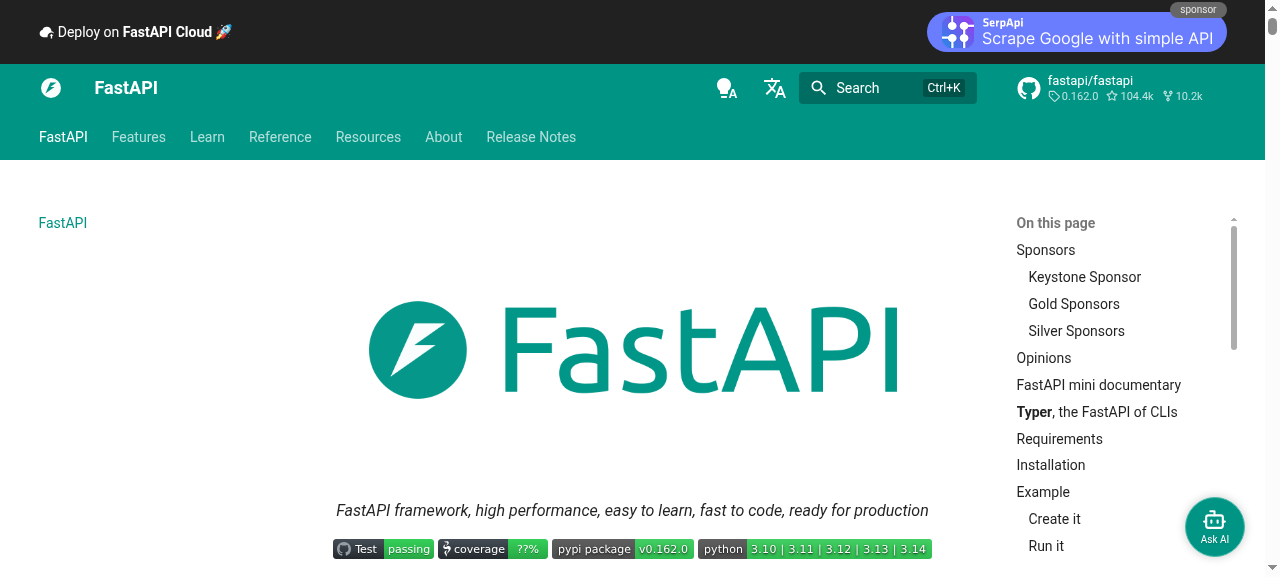
Handling thousands of automated inventory updates, order webhooks, and payment notifications requires scalable cloud hosting backends.
Scale Your E-Commerce Infrastructure with AppSwifts
Looking to build custom multi-store automations, AI customer support concierges, or automated order routing pipelines? AppSwifts engineers autonomous software architectures tailored for modern brands.
Comments
Post a Comment