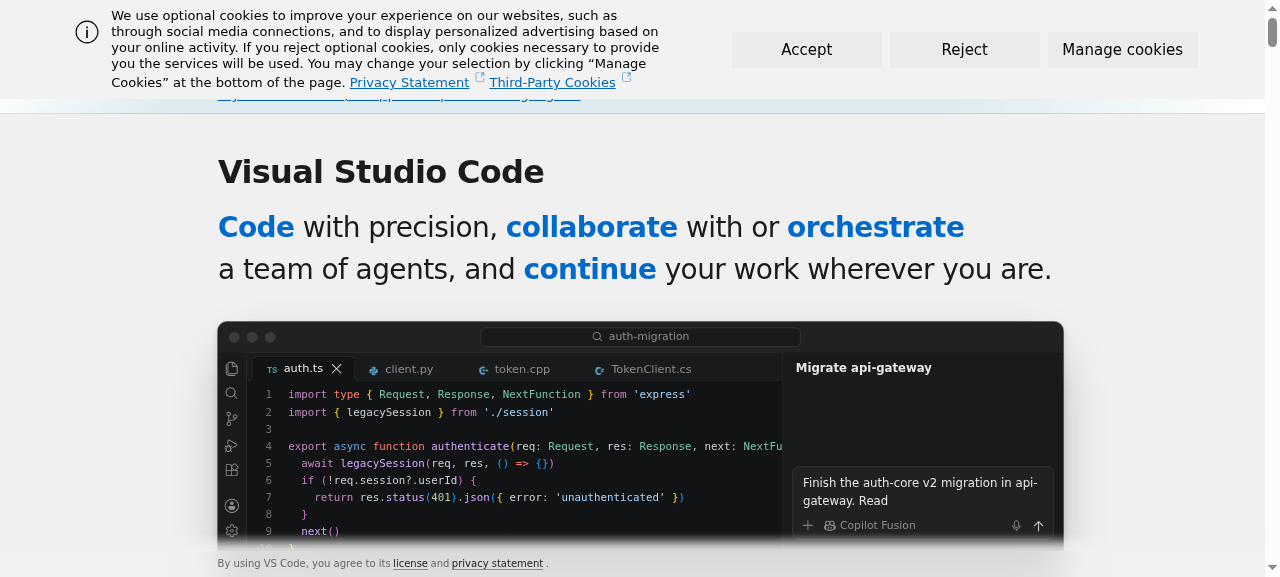
Software development in 2026 has crossed an irreversible threshold. Coding is no longer about manually typing boilerplate syntax or debugging missing semicolons; it is about steering autonomous AI software engineering agents that read entire repositories, plan refactors, write unit tests, execute terminal builds, and submit verified pull requests. From terminal agents to autonomous cloud environments like Devin, software teams are shipping features at unprecedented velocity. This guide shares real-world architectural lessons from deploying AI coding agents in production codebases.
1. The Shift to Autonomous Cloud Engineers
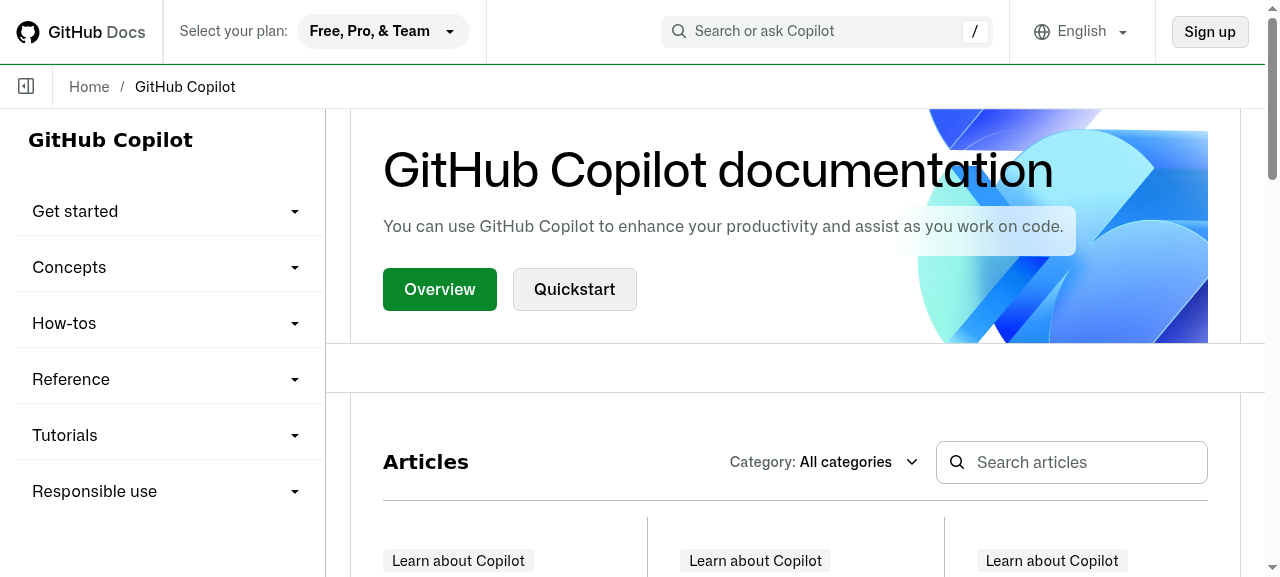
Early code assistants were simple autocomplete tools bound to your active editor tab. Modern coding agents run as dedicated processes with access to isolated containers, bash terminals, and browser testing tools. You delegate an issue description, close your laptop, and return to an open pull request with passing continuous integration suites.
Video Blueprint: Devin AI and the Future of Software Engineering
Comprehensive tutorial on orchestrating cloud-based software engineers, terminal agents, and automated PR review loops:
2. Strict Typing & Compiler Feedback as Verification Anchors
Autonomous agents perform best when constrained by deterministic compilers. By requiring TypeScript or Rust for backend and frontend code, the agent relies on compiler error messages to autonomously self-correct syntax errors, missing properties, and invalid imports before committing changes.

3. Systems Programming & High-Throughput Memory Safety
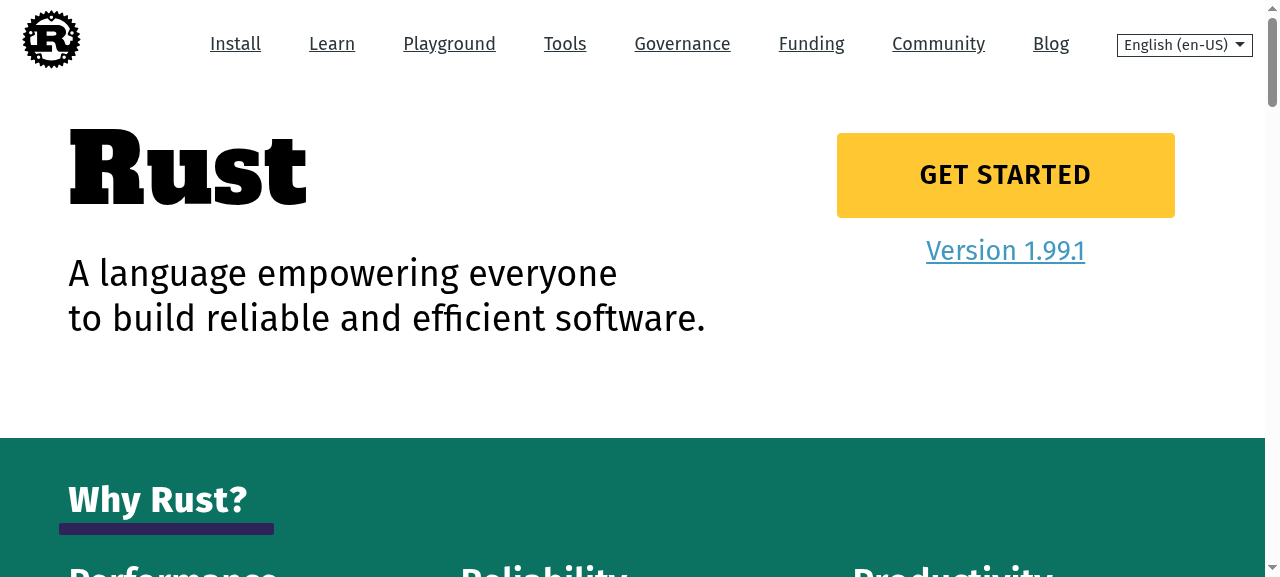
When engineering agent runtimes and concurrency loops, programming languages like Rust provide zero-cost abstractions, memory safety without garbage collection, and explicit error handling that prevents runtime agent panics.
Masterclass: Agentic Coding Workflows in Production
Step-by-step walkthrough detailing how to integrate autonomous coding agents into real software development sprints:
4. Cloud Native Infrastructure & Microservices
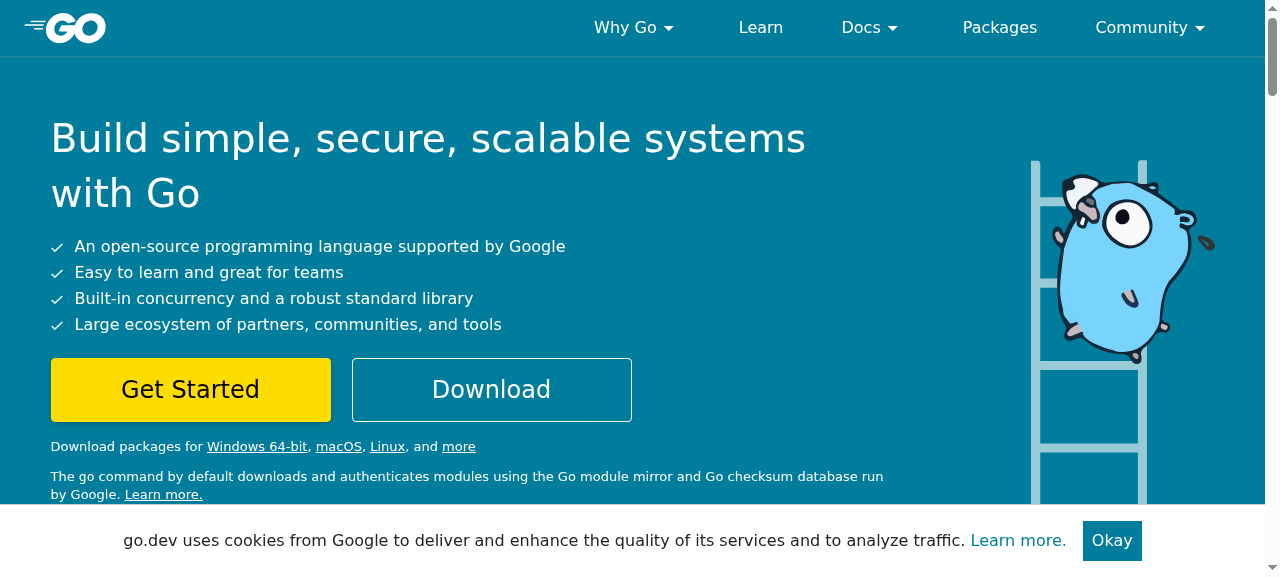
Autonomous coding agents excel at building scalable backend services in Go. With lightweight goroutines and robust standard libraries, Go services handle millions of agent orchestration events with minimal memory overhead.
Build Autonomous Software Systems with AppSwifts
Looking to accelerate engineering velocity, automate pull request reviews, and deploy autonomous coding pipelines? AppSwifts builds custom software architectures and intelligent developer agents.
Comments
Post a Comment