No conversation around artificial intelligence in Africa generates more anxiety, anticipation, and debate than the future of employment. With over 12 million young Africans entering the workforce each year, the question of whether AI will automate jobs or expand economic opportunity is the central economic inquiry of the decade. In this guide, we examine the shifting dynamics of technical labor, talent upskilling, and remote engineering across Africa in 2026.
The essential reality of the AI workplace revolution is that models automate discrete tasks rather than entire professions. Across finance, telecom operations, logistics documentation, and business process outsourcing (BPO), routine cognitive tasks are being compressed. Consequently, the value of technical workers who can orchestrate AI tools, write deterministic integration logic, and manage data pipelines has surged dramatically.
Africa's Demographics & The AI Talent Opportunity
Africa boasts the world’s youngest median population (19 years). This creates an agile, digitally native talent base unburdened by legacy enterprise architectures. As global demand for AI engineers, data labelers, and systems architects accelerates, African engineers are establishing direct pathways into international teams.
Video Masterclass: Emerging Technologies and the Future of Work in Africa
Watch this discussion from the UN Economic Commission for Africa and CcHub on job creation, digital skills, and continental innovation:
1. Pan-African Tech Upskilling at Scale (ALX Africa)
Preparing hundreds of thousands of learners for careers in cloud computing, data analysis, and AI engineering requires modern, peer-driven pedagogical models.
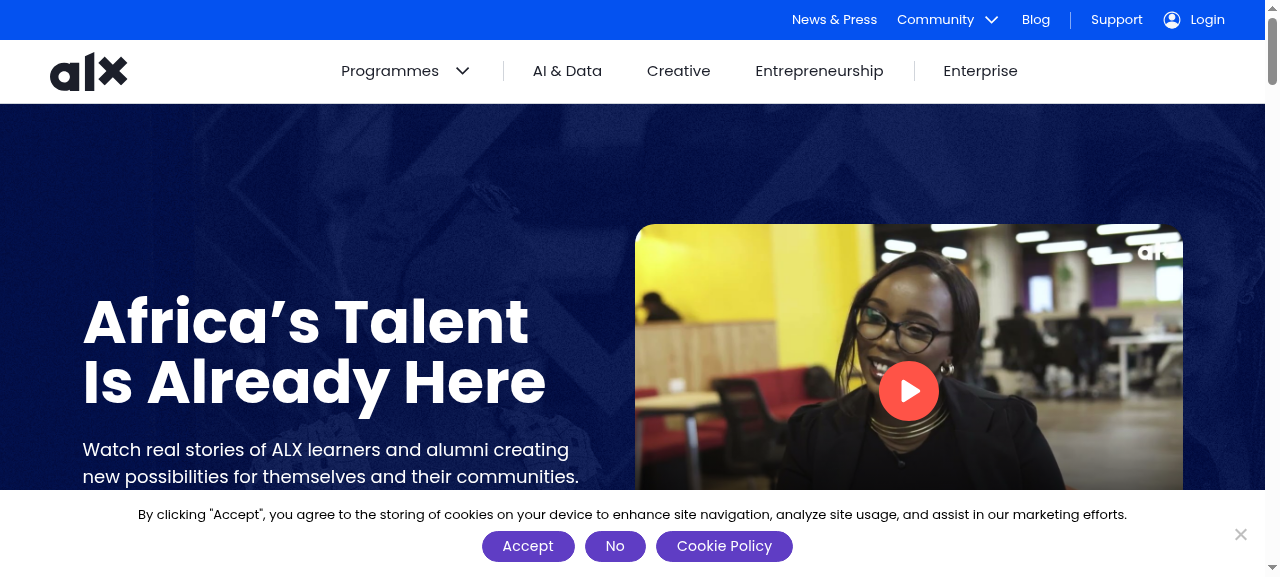
Through programs supported by the Mastercard Foundation, platforms like ALX equip young professionals across Kenya, Nigeria, Rwanda, and South Africa with market-ready software competencies.
2. AI-Driven Job Matching & Recruitment (Jobberman)
Recruitment portals use natural language processing and semantic skill graphs to match job seekers to openings across West Africa.
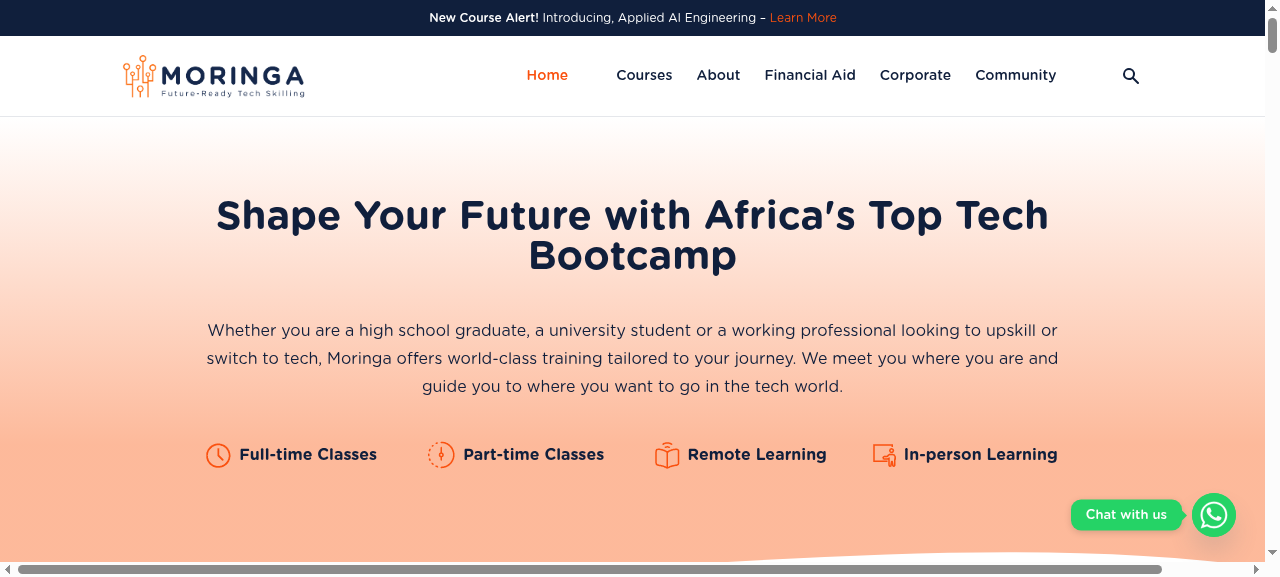
3. Hands-On Software & Data Science Bootcamps (Moringa School)
Practical coding bootcamps focused on real-world projects bridge the gap between academic computer science curricula and modern industry requirements.
4. Open Source Developer Growth & Ecosystem Velocity (GitHub Octoverse)
GitHub’s annual Octoverse reports demonstrate that African developer communities in Nigeria, Kenya, Egypt, and South Africa represent some of the fastest-growing open-source contributor populations worldwide.
Executive Analysis: How African Innovators Can Leapfrog in the AI Era
Exploration of youth empowerment, township entrepreneurship, and decentralized AI tool access:
Workforce Evolution: Task Automation vs. Human Advantage
| Job Dimension | Tasks Handled by AI | Irreplaceable Human Capability |
|---|---|---|
| Software Engineering | Boilerplate syntax, unit tests, regex | System architecture, safety review, product strategy |
| Financial Auditing | Reconciliation, fraud pattern scans | Forensic investigation, regulatory judgment |
| Customer Operations | Tier-1 FAQ triage, status lookups | High-stakes dispute mediation, relationship building |
| Data Analytics | Query drafting, summary chart generation | Contextual domain interpretation, executive alignment |
The future of work in Africa does not require competing against machine intelligence — it requires equipping every student and knowledge worker with the tooling to build, deploy, and supervise autonomous software.
Empower Your Team with AppSwifts AI Workflows
Looking to elevate your organization's productivity with custom internal AI copilots, automated business workflows, and technical team enablement? AppSwifts builds scalable workforce architectures for modern enterprises.
Comments
Post a Comment