One hundred days. One hundred engineering stories. One continent. One technological revolution.
When we launched this series, we set out to investigate how artificial intelligence is transforming Africa from ground-level implementations up. Across 100 posts, 100 sectors, and 100 technical dimensions of African industry, we uncovered how African engineers, institutions, and founders are adopting, adapting, and innovating with machine learning. This is the synthesis of that milestone — examining the real architectures, data pipelines, and infrastructure shaping the African AI ecosystem in 2026.
The 100-Day Journey Across Core Sectors
Over the past 100 days, we explored machine intelligence across every major economic vertical: healthcare diagnostics in rural clinics, satellite-driven agricultural forecasting, mobile-first fintech underwriting, maternal language speech processing, and smart grid utilities. In each vertical, the key takeaway has been clear: Africa is not merely consuming foreign AI models — African teams are training domain-specific foundation architectures built for local operational constraints.
Video Discussion: Prof. Vukosi Marivate on Governing and Scaling AI in Africa
Watch this in-depth address on sovereign intelligence, data pipelines, and the road to indigenous African foundation models:
1. Competitive Data Science & Local Benchmarks (Zindi)
Data science challenges focused on African datasets provide real-world testing grounds for machine learning engineers solving mobility, agriculture, and epidemiology problems.
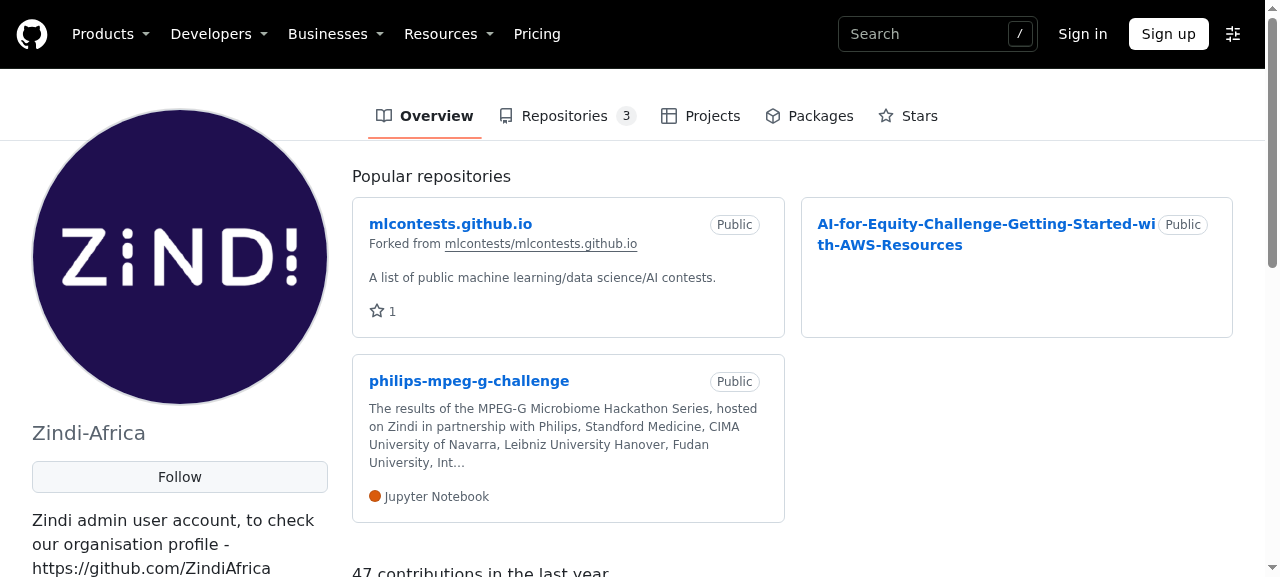
Platforms like Zindi mobilize over 70,000 African data scientists, creating public benchmarks on malaria spread, yield predictions, and low-resource speech recognition.
2. Advanced Mathematical Research & Compute Training (AIMS)
Sovereign AI development requires foundational mathematical talent. The African Institute for Mathematical Sciences prepares researchers in probabilistic modeling and neural architectures.
3. Grassroots Machine Learning Community (Deep Learning Indaba)
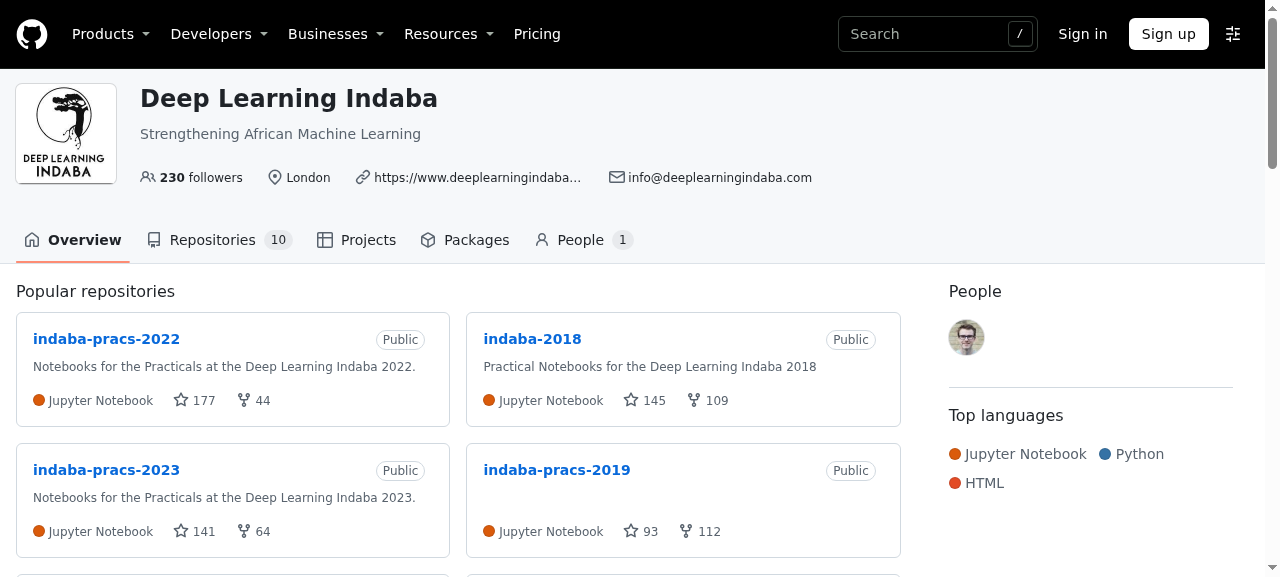
The annual Deep Learning Indaba has grown into a premier technical gathering, fostering collaboration across 30+ African countries.
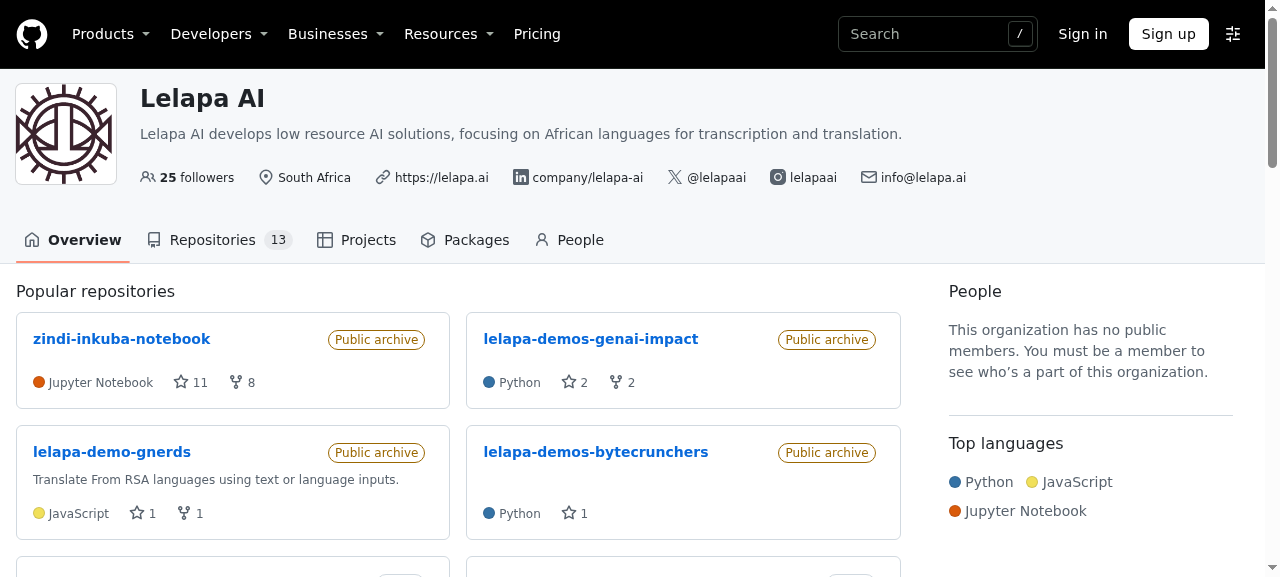
4. Commercial African Language Models & Speech APIs (Lelapa AI)
Enterprise applications require accurate speech-to-text and transcription in native African languages like Zulu, Swahili, Sesotho, and Hausa.
Panel Discussion: African Tech Startups & Sovereign AI Infrastructure
Exploration of venture funding, localized datasets, and building scalable tech solutions for African markets:
Key Pillars of African AI Engineering in 2026
| Engineering Frontier | Active Initiative | Core Impact |
|---|---|---|
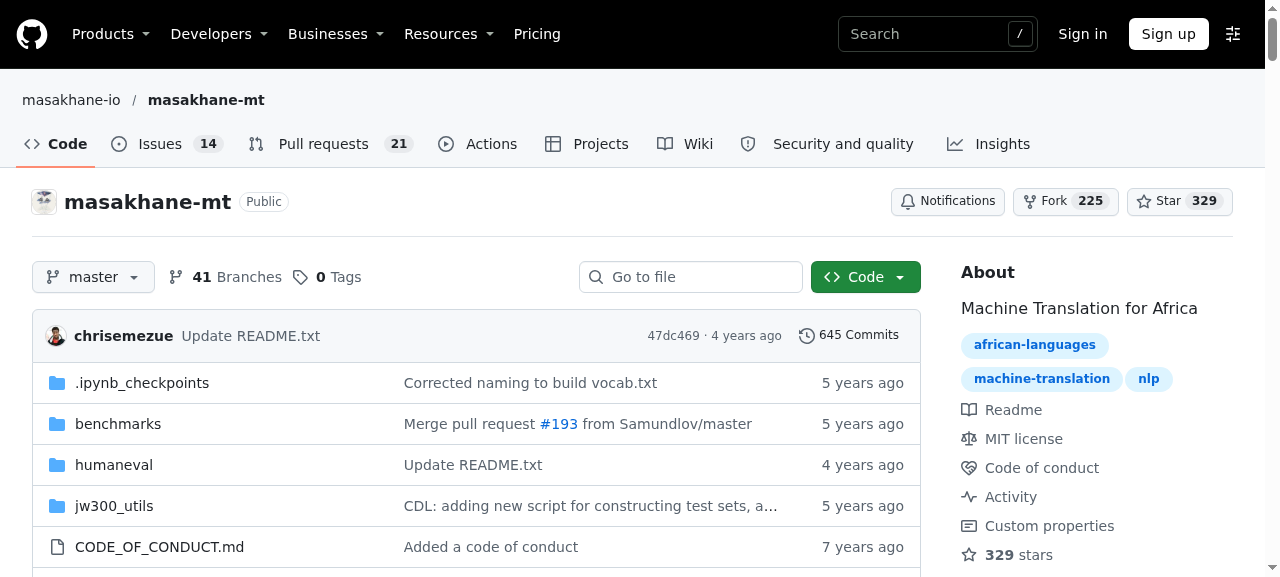
| Indigenous NLP | Masakhane / Lelapa AI | Machine translation across 50+ low-resource languages |
| Fintech Underwriting | Tala / M-Pesa Analytics | Alternative data credit scoring for unbanked populations |
| AgriTech Remote Sensing | Aerobotics / Amini | Crop yield forecasting and drought resilience |
| Healthcare Logistics | Zipline / mPharma | Autonomous delivery and supply chain optimization |
| Open Data & Talent | Zindi / Deep Learning Indaba | Pan-African model evaluation benchmarks and developer training |
The journey of 100 days demonstrates that Africa's AI ecosystem is driven by solving tangible physical constraints with disciplined engineering. The future of machine intelligence on the continent is sovereign, multilingual, and impact-driven.
Build Next-Generation AI Solutions with AppSwifts
Are you deploying machine learning models, autonomous agents, or cloud integrations across Africa and global markets? AppSwifts engineers production AI systems built for real-world impact.
Comments
Post a Comment