
Traffic lights that adjust dynamically to traffic queue lengths. Urban transit fleets monitored in real time via mobile apps. Water distribution pipelines equipped with acoustic sensors that report leaks automatically. As African cities experience the fastest urban migration in history, artificial intelligence allows municipal planners in Kigali, Nairobi, Cape Town, and Lagos to maximize existing infrastructure capacity.
Why Smart Cities Matter for Africa
By 2050, Africa will be home to over 1.3 billion urban residents. Managing this scale of growth requires intelligent municipal systems that prevent traffic paralysis, lower power losses, and streamline public service delivery without requiring trillions in upfront civil engineering.
1. Integrated Smart City Hubs & Masterplans
Purpose-built technology hubs like Kenya’s Konza Technopolis embed IoT sensor backbones, municipal fiber networks, and automated building management systems from the ground up, providing digital infrastructure for high-tech manufacturing, software development, and modern urban living.
2. Civic Innovation and E-Government: Kigali, Rwanda
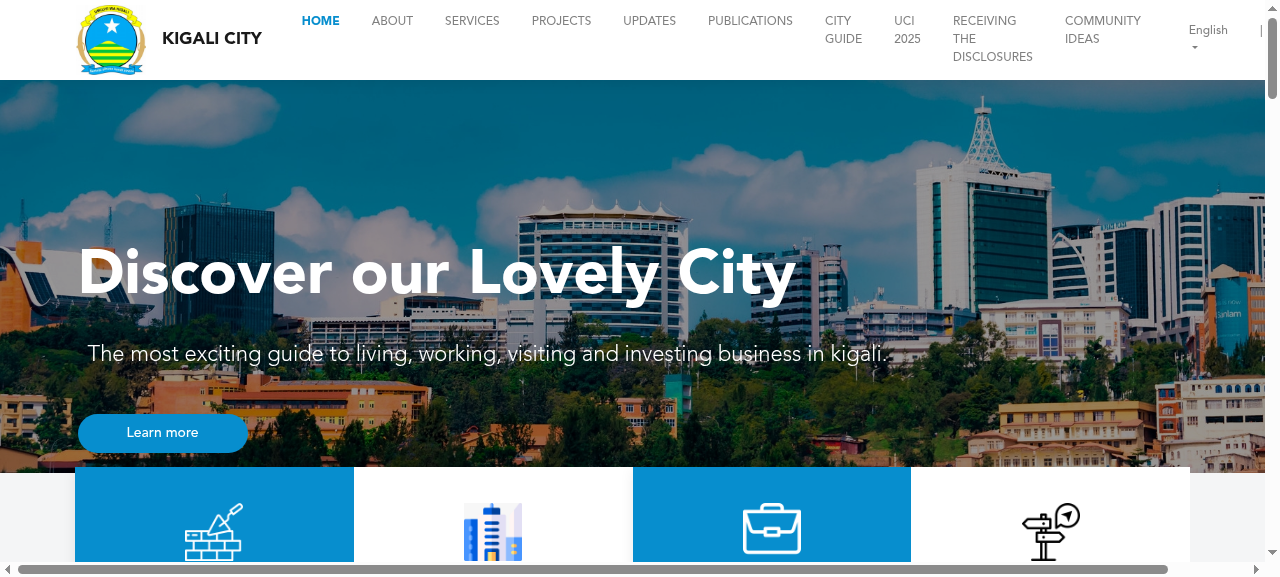
Recognized globally as one of Africa's cleanest and most organized metropolitan areas, Kigali leverages automated public safety systems, digitized land registry mapping, cashless public transit, and automated water leak detection to ensure reliable urban service delivery across all municipal sectors.
3. Sustainable Coastal Urbanism: Eko Atlantic, Lagos

In Lagos, the Eko Atlantic project integrates sea-wall flood defense barriers with smart electrical sub-stations, dedicated water treatment plants, and real-time utility monitoring to provide resilient, modern commercial infrastructure shielded from coastal storm surges.
4. AI in Urban Transit Optimization: MyCiTi, Cape Town

Public transport networks rely on algorithmic dispatch and live route telemetry. Cape Town's MyCiTi Bus Rapid Transit (BRT) network applies automated passenger load prediction and GPS dispatch to match vehicle frequency with commuter peak waves, reducing station dwell times and vehicle emissions.
5. Global Urban Frameworks and Sustainable Planning

Initiatives guided by UN-Habitat emphasize human-centric smart cities: utilizing satellite imagery and machine learning to map informal settlements, plan clean water extensions, and design resilient drainage corridors before seasonal flooding impacts vulnerable communities.
Leading African Smart City Projects at a Glance
| City / Hub | Country | Key Smart Infrastructure | Impact |
|---|---|---|---|
| Kigali | Rwanda | Automated safety cameras, smart water meters, cashless bus ticketing | High municipal cleanliness & public safety |
| Konza Technopolis | Kenya | Integrated smart utility backbone & green data centres | National technology innovation engine |
| Cape Town | South Africa | MyCiTi transit optimization & AI water loss monitoring | Drought resilience & optimized mass transit |
| Eko Atlantic | Nigeria | Self-sustaining power grid, stormwater surge barriers | Resilient commercial financial district |
Conclusion: The Smart City Equation
The true measure of a smart city in Africa is not the number of sensors deployed, but whether citizens experience shorter commutes, reliable electricity, clean water, and safe streets. As machine learning algorithms merge with civic planning, African urban centers are turning growth challenges into opportunities for sustainable transformation.
Written by AppSwifts — building digital systems and scalable technology platforms for enterprises across Africa. Visit appswifts.com to learn more.
Comments
Post a Comment