Africa represents one of the fastest-growing consumer commerce regions in the world. With over 1.4 billion people, rising mobile broadband penetration, and ubiquitous mobile money infrastructure, digital commerce is unlocking unprecedented retail velocity. From modern retail conglomerates in South Africa, Egypt, and Nigeria to the millions of informal market traders and neighborhood kiosks that drive over 70% of consumer spend, retail logistics are fundamentally evolving. In 2026, artificial intelligence is reshaping personalization, demand planning, automated search, and inventory routing.
Modern merchants are moving beyond static online storefronts into composable, agentic commerce architectures. By wiring predictive recommendation engines, semantic product vector searches, and autonomous inventory reconciliation into cloud checkouts, e-commerce brands maximize average order value (AOV) and eliminate out-of-stock friction.
The Four Foundations of Retail AI Transformation
- Real-Time Personalization & Hybrid Search: Combining lexical search with vector semantic embeddings to interpret conversational shopping queries and image-based product discovery.
- Collaborative Filtering & Recommendations: Factorizing implicit user feedback (clicks, dwell time, cart adds) into real-time cross-sell suggestions.
- Dynamic Pricing & Markdown Optimization: Calibrating prices based on competitor SKU inventory, local currency movements, and demand velocity.
- Informal Retail Supply Logistics (B2B): Deploying route-optimization and alternative credit scoring algorithms to supply neighborhood dukas and spaza shops with FMCG goods.
Video Masterclass: AI in E-Commerce and Retail — Trends, Use Cases, and Business Impact
Watch this comprehensive breakdown of hyper-personalization, intelligent supply chains, and AI-driven retail operations:
1. Ultra-Fast Hybrid Vector Search (Meilisearch)
Sub-50ms typo-tolerant search engines deliver instant product filtering, faceted navigation, and semantic AI queries across multi-million SKU catalogs.
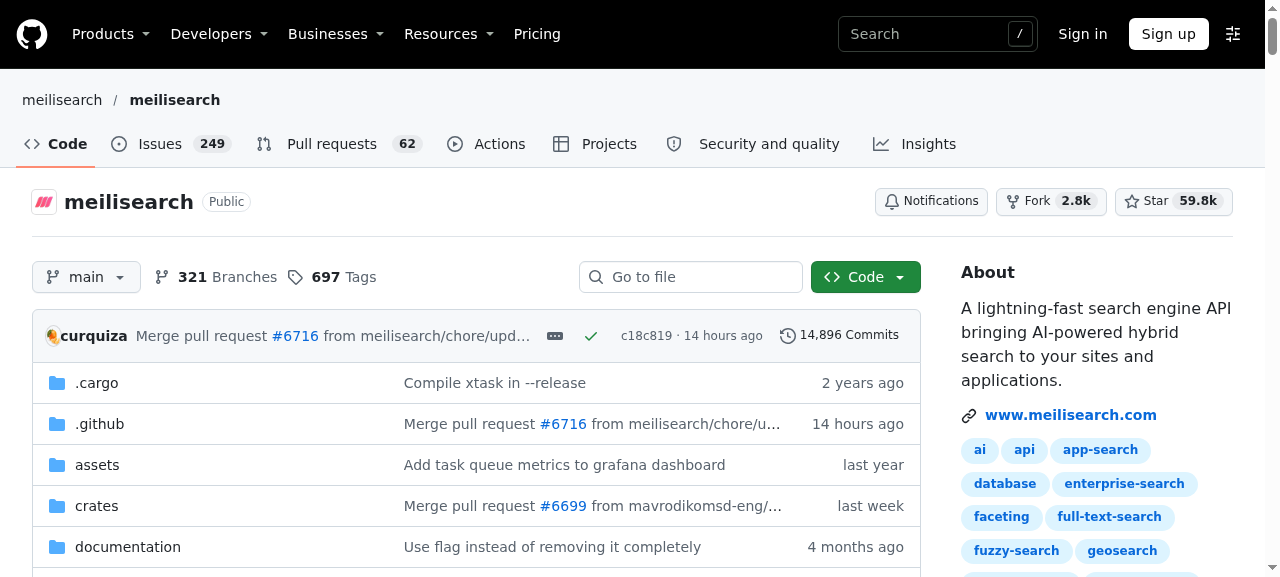
Meilisearch enables digital merchants to offer conversational product search, handling spelling mistakes and colloquial dialect phrasing seamlessly.
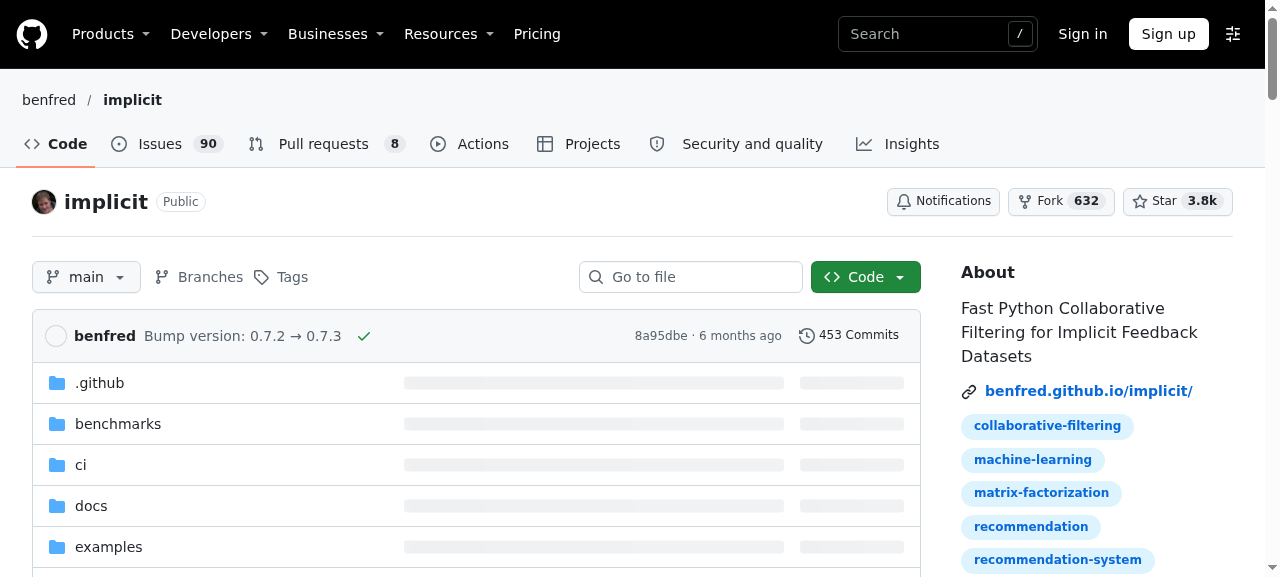
2. High-Performance Collaborative Filtering (Implicit)
Generating personalized product recommendation feeds from implicit user actions (page views, repeat purchases, time-of-day carts) using matrix factorization.
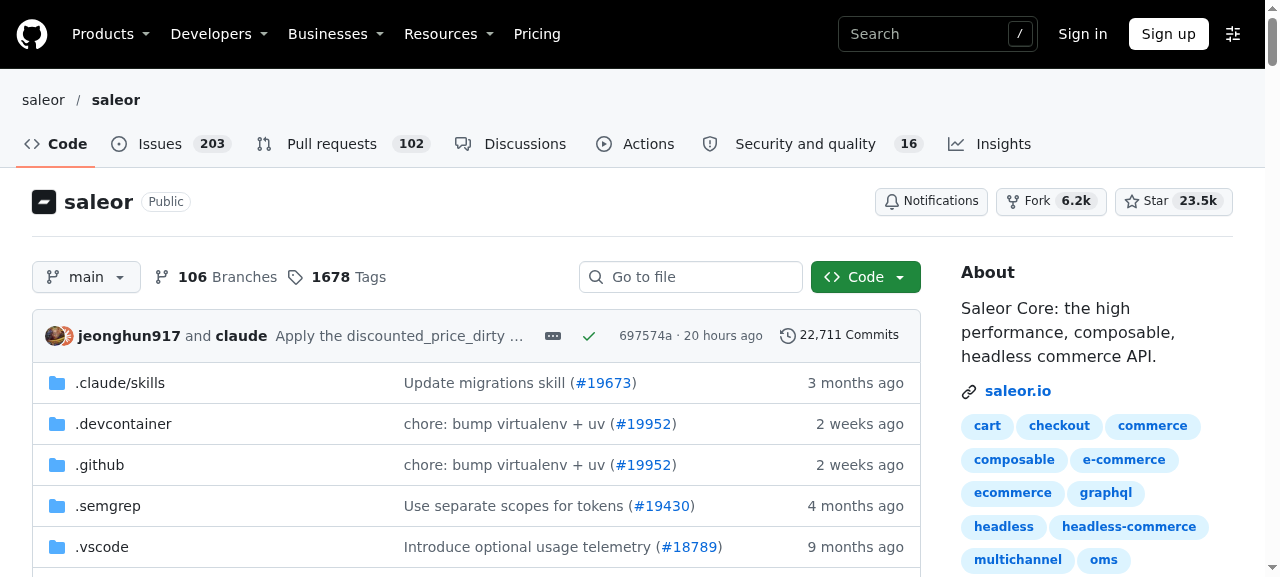
3. Composable Headless Commerce Infrastructure (Saleor)
GraphQL-native composable commerce platforms designed for high-volume multichannel distribution, automated inventory drops, and localized currency handling.
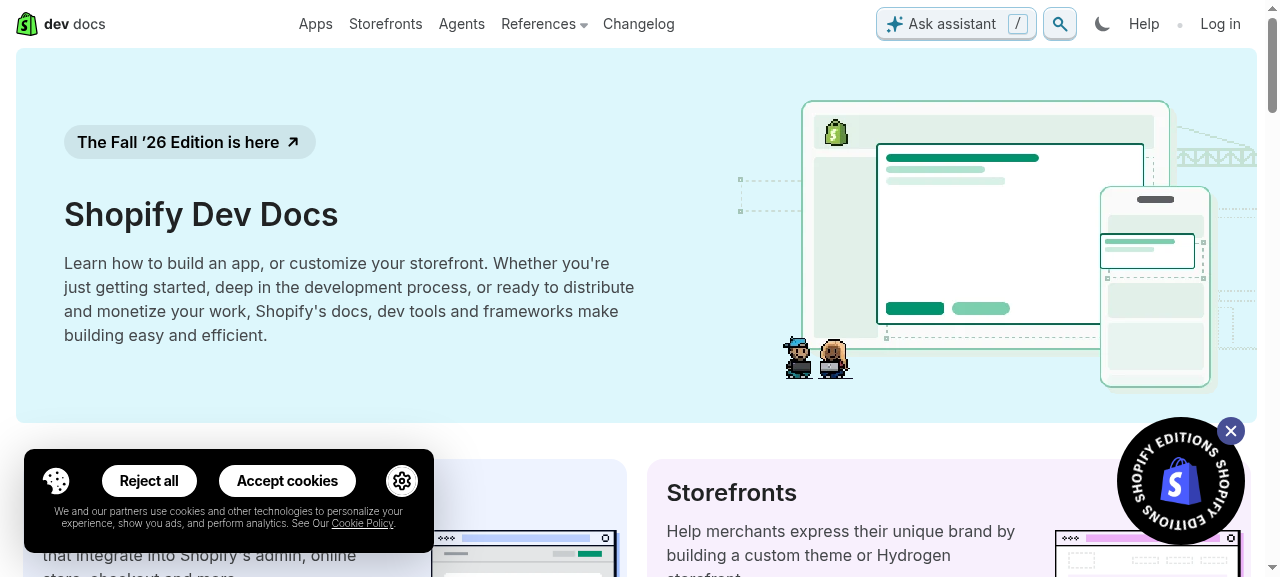
4. Enterprise Merchant Tooling & API Extensibility (Shopify Developers)
Powering millions of online brands with checkout extensibility, custom headless storefronts, and automated inventory sync across global marketplaces.
Industry Analysis: The Rise of Agentic Commerce & Reshaped E-Commerce Discovery
Exploration of autonomous AI buying agents, conversational shopping, and how digital merchants capture margin:
E-Commerce AI Architecture Matrix
| Commerce Layer | Leading Tool / API | Performance Objective |
|---|---|---|
| Search & Discovery | Meilisearch / Algolia | Sub-50ms hybrid lexical and semantic vector retrieval |
| Recommendations | Implicit / LightFM | Personalized upsell bundles lifting checkout cart sizes |
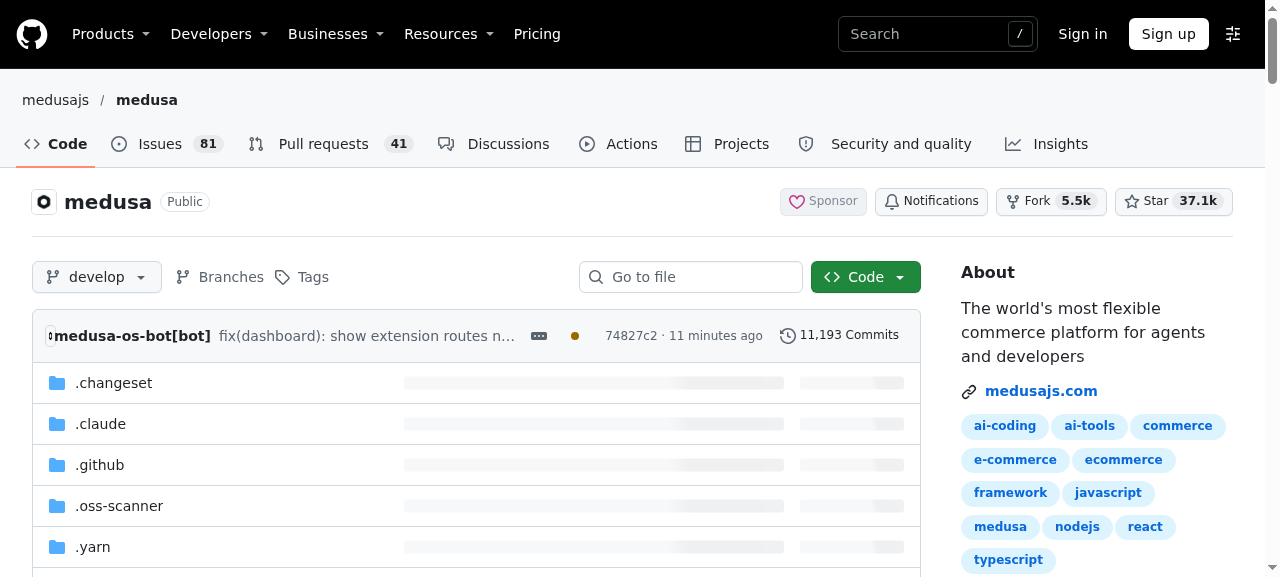
| Headless Engine | Medusa / Saleor | API-first multi-currency checkout with zero legacy bloat |
| Inventory Routing | PostGIS / OR-Tools | Last-mile logistics optimization for suburban deliveries |
The retailers capturing market share in 2026 are those who treat data infrastructure as a core product — pairing modular headless commerce engines with fast vector search and real-time behavioral personalization.
Build Scalable E-Commerce Solutions with AppSwifts
Are you building custom headless storefronts, automated catalog search, or omnichannel inventory pipelines? AppSwifts engineers high-conversion e-commerce web applications and scalable cloud backends.
Comments
Post a Comment