AI in Retail and E-Commerce 2026: How Artificial Intelligence Is Revolutionising Shopping Across Africa

A kiosk owner in Nairobi used to guess how much inventory to buy weekly. Today, predictive B2B platforms evaluate localized sales data to recommend precise restock quantities. That shift from guesswork to data-backed replenishment is transforming African commerce in 2026 — from dynamic pricing and inventory management to automated fraud detection and last-mile dispatch.
Africa’s Retail & E-Commerce Opportunity
Africa’s retail market represents over $600 billion in annual transaction volume. While informal markets, kiosks, and neighbourhood stores comprise roughly 80% of consumer sales, digital platforms are modernizing traditional trade routes. Machine learning enables supply chain aggregators and online marketplaces to serve low-margin, high-velocity consumer markets efficiently.
1. AI in Personalisation and Product Recommendations

Pan-African e-commerce platforms like Jumia leverage machine learning recommendation models trained on real customer purchase history and localized search patterns. Rather than generic merchandising, algorithms personalize category sorting and product carousels to match local buying power and language preferences, lifting checkout conversion rates and basket sizes.
2. B2B Informal Trade and Smart Replenishment
Informal retailers (dukas, spaza shops, and market kiosks) form the backbone of everyday consumer supply. Platforms like Wasoko, TradeDepot, and Omnibiz use AI demand forecasting to predict community consumption trends, enabling micro-merchants to order FMCG goods with free next-day delivery and embedded working capital financing.
3. AI Supply Chain and Distribution Networks

Fragmented roads and unpredictable supplier lead times present severe logistical hurdles. AI warehouse optimization and distribution systems organize stock placement to minimize picker transit times and flag potential supply bottlenecks weeks before stockouts occur at retail distribution centres across West and East Africa.
4. Omnichannel Retail Commerce Infrastructure

Modern African merchants combine social selling on WhatsApp and Instagram with dedicated web stores. Leading commerce platforms like Shopify integrate automated product catalogue syncing, algorithmic tax calculations, and localized payment plugins to allow independent African entrepreneurs to sell locally and export internationally with minimal manual overhead.
5. AI Click-and-Collect & Last-Mile Delivery
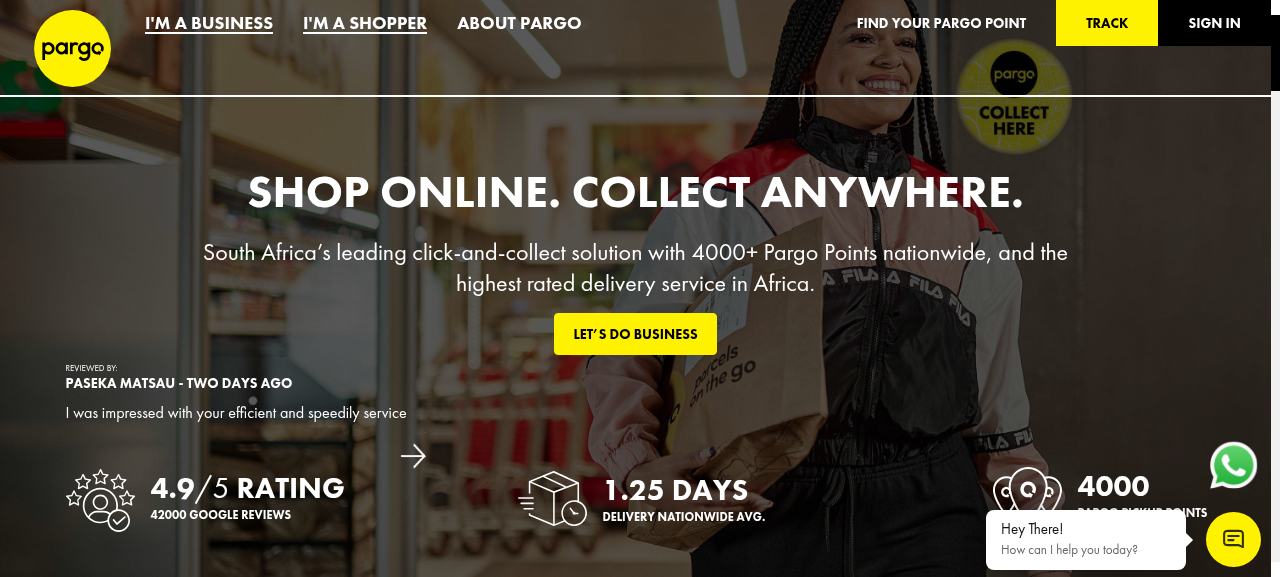
Traditional door-to-door courier services frequently struggle with non-standard street addresses in peri-urban areas. Smart logistics operators like Pargo utilize AI-optimized pick-up point routing, enabling online shoppers to collect parcels from thousands of neighbourhood collection points while slashing delivery failure rates and vehicle operating expenses.
African AI E-Commerce & Retail Ecosystem
| Platform | Segment | AI Implementation | Key Coverage |
|---|---|---|---|
| Jumia | B2C Marketplace | Personalized search, pricing algorithms, fraud detection | Nigeria, Kenya, Egypt, Ivory Coast |
| Wasoko | B2B Informal Retail | Demand forecasting, automated duka restock | East & West Africa |
| TradeDepot | B2B FMCG Distribution | Predictive supply routing & merchant credit scoring | Nigeria, Ghana, South Africa |
| Pargo | Logistics & Fulfilment | Click-and-collect network & route optimization | South Africa, Southern Africa |
| Shopify | Merchant Infrastructure | Automated store operations, international checkout | Pan-Africa, Global |
Conclusion: The Future of Commerce in Africa
AI is transforming African commerce from fragmented, manual trade into an integrated, efficient economic engine. Retailers that embrace predictive forecasting, intelligent customer touchpoints, and automated logistics networks are positioning themselves to capture the immense growth of Africa’s expanding digital consumer base.
Written by AppSwifts — building world-class web and commerce applications for growing brands. Visit appswifts.com to learn more.
Comments
Post a Comment