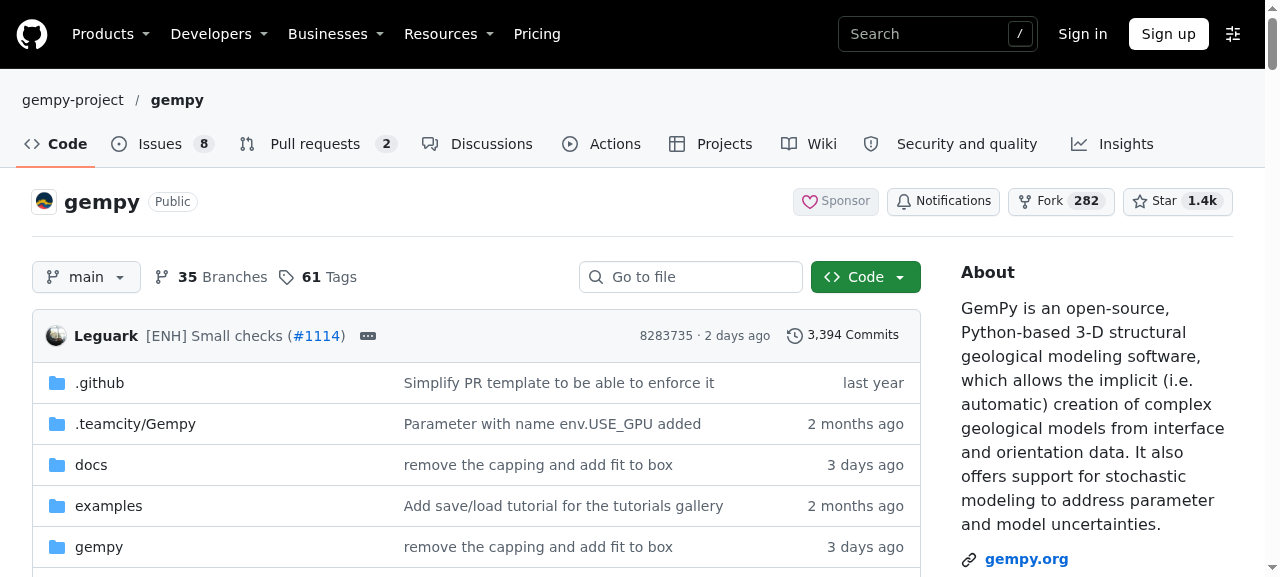
Africa holds approximately 30% of the world’s mineral reserves, including critical deposits of cobalt, copper, lithium, gold, platinum-group metals, and rare earths essential for the global energy transition. From the Zambian and Congolese Copperbelt to South Africa's Bushveld Complex and exploration zones across West Africa, extractive industries drive public revenues and infrastructure financing. In 2026, artificial intelligence, geophysical simulation, and edge telemetry are redefining mineral exploration, ore body modeling, and tailings dam safety.
Historically, greenfield mineral exploration relied heavily on speculative exploratory drilling campaigns with high capital risk. Today, geophysical inversion algorithms, 3D structural implicit modeling, and automated seismic parsing synthesize subsurface anomalies with high probability, lowering discovery costs and accelerating the extraction of critical minerals.
Key AI Capabilities Transforming Natural Resources in 2026
- Implicit 3D Subsurface Modeling: Inverting drill core assays and planar geological measurements into volumetric ore body representations with parameter uncertainty modeling.
- Seismic Processing & Anomaly Detection: Applying convolutional neural nets to large-scale SEGY trace archives to identify fault fractures and stratigraphic traps.
- Autonomous Haulage & Fleet Telemetry: Autonomous haul trucks and shovels coordinated by spatio-temporal pathfinding algorithms to optimize fuel usage and reduce collision risk.
- Tailings Dam Geotechnical Monitoring: Continuous processing of InSAR satellite radar and micro-seismic geophones to detect millimeter ground displacements before dam wall failure.
Video Masterclass: The Future of Mining — AI, Automation & Technology Transforming African Mines
Watch this technical webinar from Mining Review Africa on robotics, digital twins, and AI exploration systems:
1. High-Performance Geophysical Seismic Processing (Segyio)
Processing multidimensional seismic survey datasets into structured numpy matrices for subsurface reflection analysis.
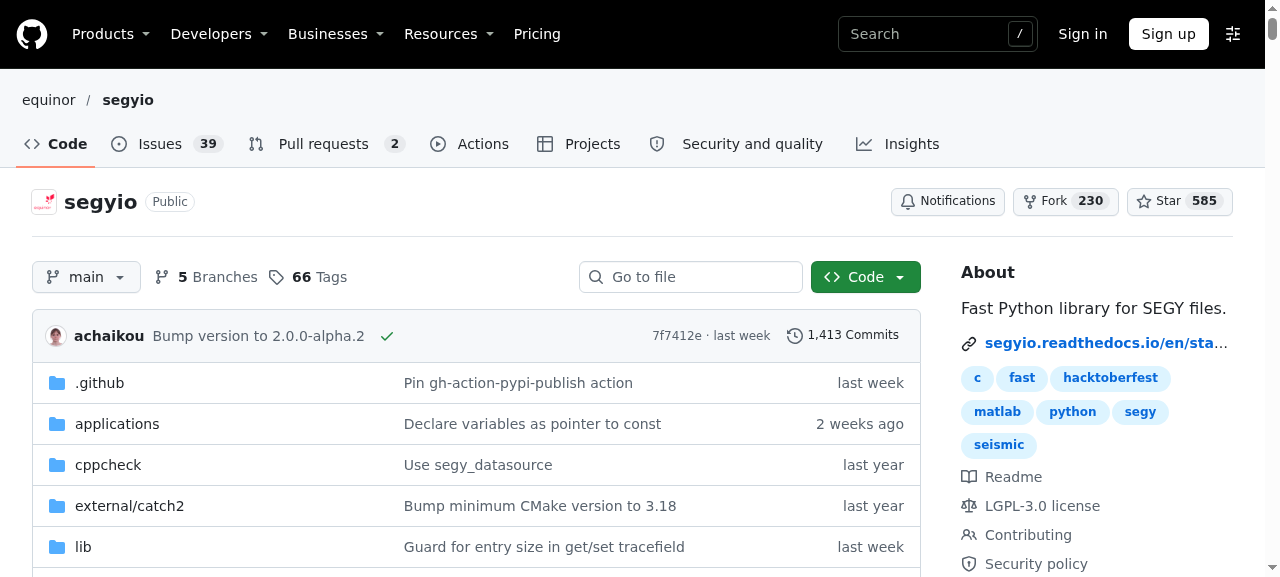
Developed by Equinor, Segyio provides low-latency C-backed read/write capabilities, allowing geophysicists to train neural classifiers directly on raw seismic volumes.
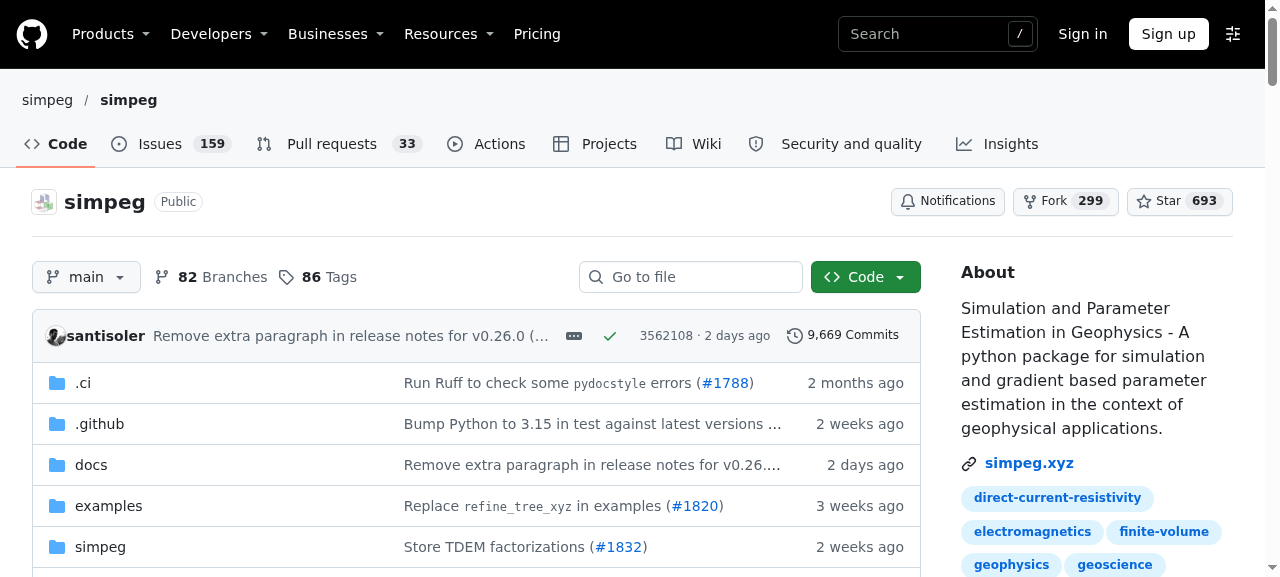
2. Geophysical Simulation & Parameter Estimation (SimPEG)
Simulation and parameter estimation framework for electromagnetic, magnetic, and electrical resistivity surveys used in greenfield mineral discovery.
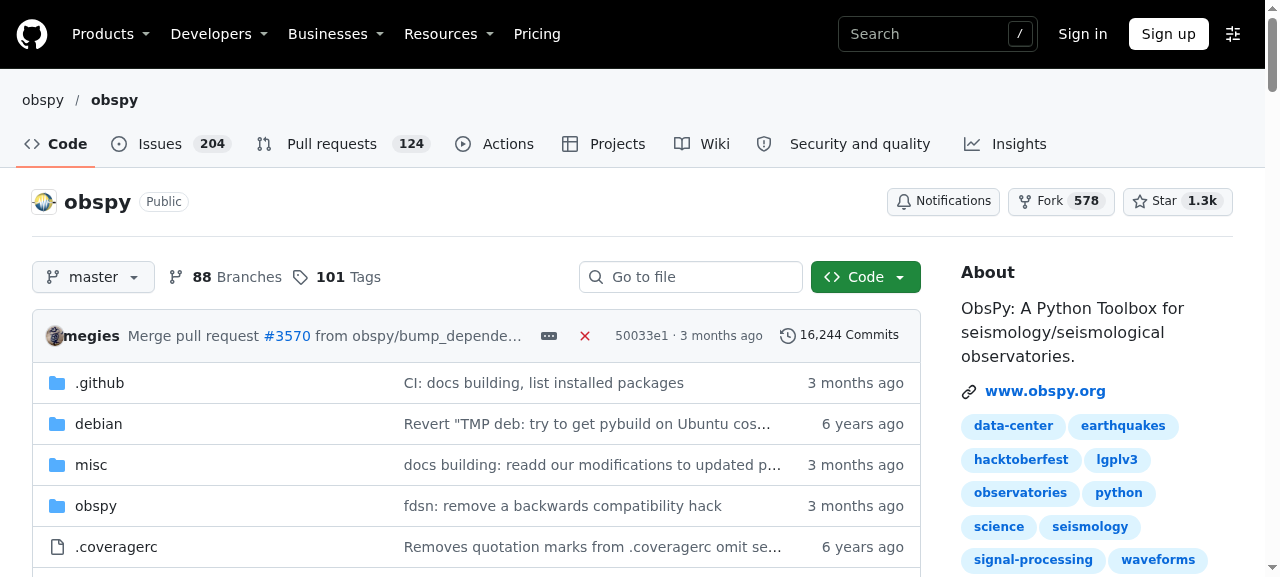
3. Micro-Seismic Monitoring & Rockburst Warning (ObsPy)
Processing real-time seismological waveform streams from underground mine geophones to monitor deep shaft stability and warn of acoustic emissions.
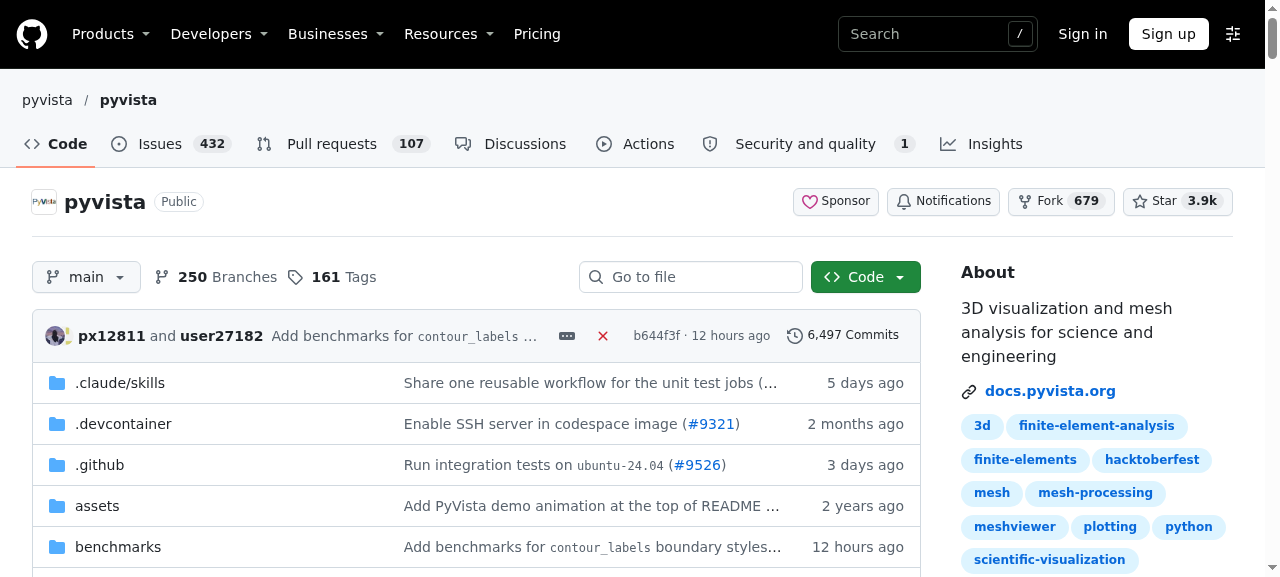
4. 3D Mesh Analysis & Subsurface Visualization (PyVista)
Rendering multi-million node geological block models, open-pit topologies, and underground tunnel networks in interactive 3D web environments.
Industry Briefing: Leveraging AI for Critical Mineral Exploration
Exploration executives discuss replacing wildcat intuition with algorithmic decision-making and data-first geological modeling:
Geological & Mining AI Operations Matrix
| Exploration Stage | Core Tool / Framework | Operational Impact |
|---|---|---|
| Target Discovery | SimPEG / Segyio | Inversion of airborne magnetic & gravity anomalies |
| Ore Reserve Modeling | GemPy / PyVista | Volumetric grade boundary kriging with uncertainty bounds |
| Underground Safety | ObsPy | Real-time seismic shockwave detection in deep shafts |
| Fleet Management | ROS 2 / OR-Tools | Automated cycle matching for diesel haulage trucks |
Applying machine learning to earth science allows mining operators to unlock strategic mineral deposits with lower exploratory footprints, ensuring extraction proceeds efficiently and responsibly.
Build Geospatial & Resource Data Platforms with AppSwifts
Are you building environmental sensor dashboards, 3D spatial visualizations, or telemetry processing pipelines? AppSwifts engineers robust cloud platforms and high-throughput analytical architectures for natural resource leaders.
Comments
Post a Comment