AI in Mining and Natural Resources 2026: How Artificial Intelligence Is Transforming Africa's Extractive Industries
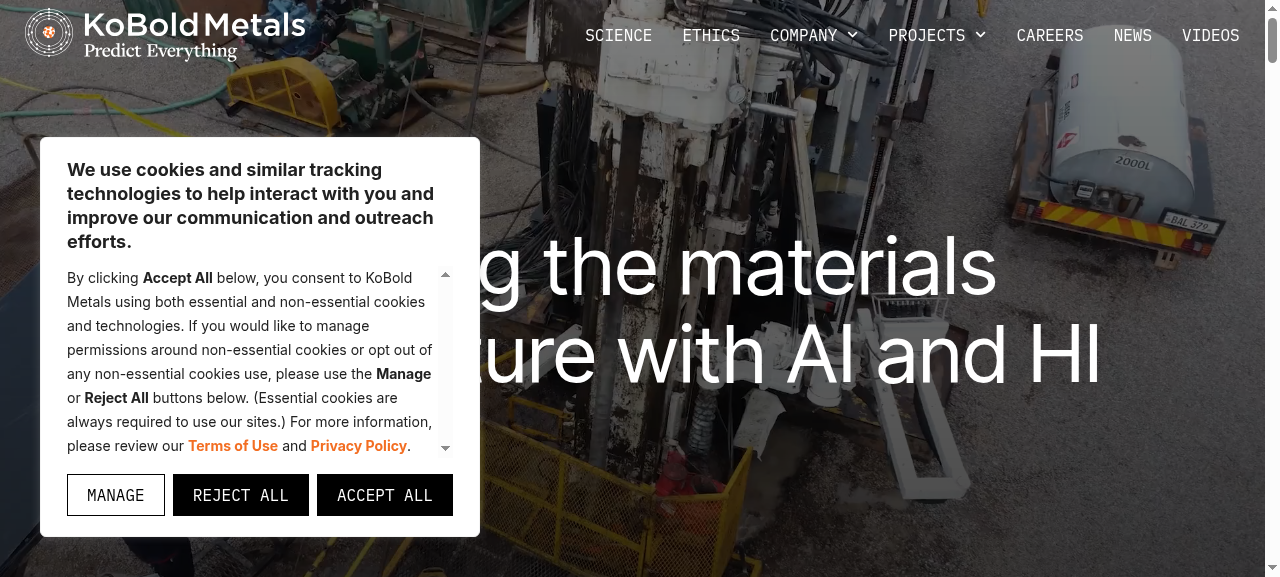
A modern mine generates more telemetry data in a day than engineers can review manually in a month: drill core assays, truck telematics, and sensor feeds from crushers and leach tanks. In 2026, artificial intelligence is transforming Africa's mining and extractive sector — identifying critical copper and lithium deposits faster, optimizing fleet safety, and preventing catastrophic equipment downtime.
Africa’s Mining Opportunity in the Clean Energy Age
Africa holds roughly 30% of global mineral reserves, including essential energy-transition commodities: cobalt in the DRC, platinum in South Africa, high-grade copper in Zambia, and lithium across Zimbabwe and Namibia. AI helps miners uncover deeper ore bodies with fewer exploratory drill holes and significantly lower environmental footprints.
1. AI in Subsurface Exploration and Geological Mapping
Traditional mineral exploration relied heavily on expensive wildcat drilling and manual seismology interpretation. Frontier startups like KoBold Metals synthesize geological surveys, satellite imagery, and geochemical assays using deep learning to pinpoint subsurface copper anomalies in Zambia's Copperbelt, reducing exploration timelines from decades to months.
2. Hardware & AI-Driven Target Generation
Autonomous target generation platforms like EARTH AI analyze remote sensing data and geophysical anomalies to locate critical mineral deposits without requiring years of preliminary field reconnaissance, helping junior explorers deploy capital where geological probability is highest.
3. Fleet Telematics and Operational Autonomy
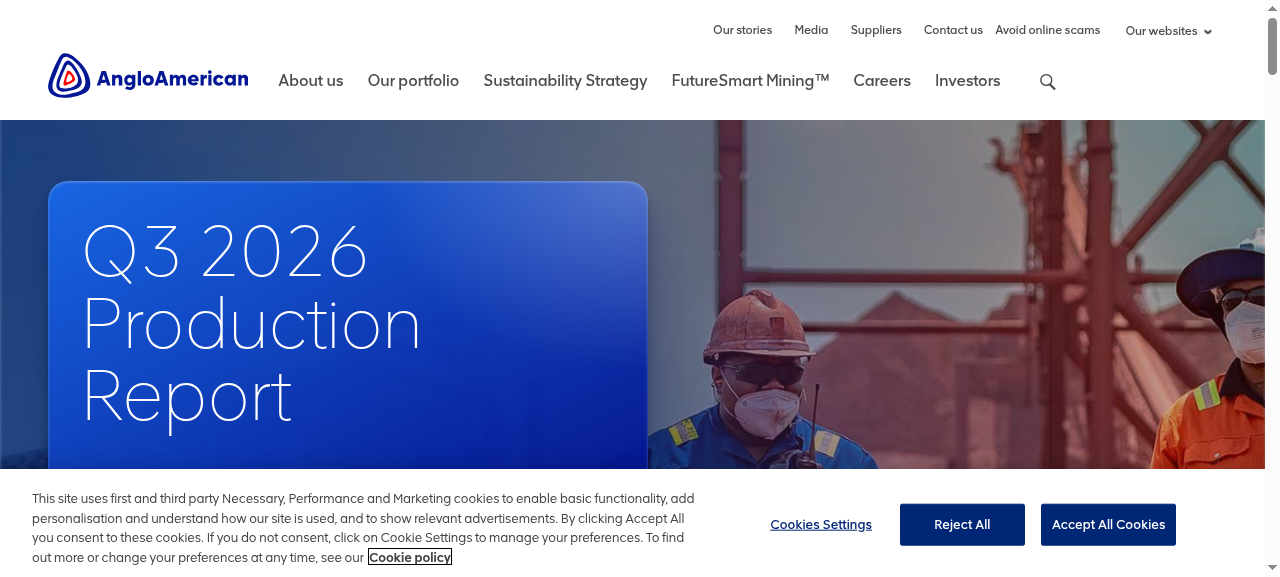
Major operators including Anglo American and Glencore deploy autonomous haulage systems, robotic drill rigs, and computer-vision collision avoidance technologies. In deep-level underground operations in South Africa, real-time seismic monitoring and gas detection systems warn mine supervisors of rockfall hazards before safety thresholds are breached.
4. Predictive Maintenance for Heavy Industrial Fleets

When an open-pit haul truck breaks down unexpectedly, pit logistics grind to a halt. Predictive maintenance solutions like Uptake process fluid analysis, vibration signatures, and engine temperatures to predict failure modes weeks in advance, enabling maintenance teams to replace worn parts during scheduled pit rotations.
5. Environmental Analytics and Decarbonisation

As global end-users demand traceable ESG credentials for battery minerals, platforms like Minviro deploy algorithmic lifecycle assessment (LCA) software to quantify real-time carbon, water, and tailings impact across African mining operations, ensuring compliance with strict European and American sustainability mandates.
Key AI Mining Platforms and Technologies in Africa
| Company | Discipline | Core Capability | African Focus |
|---|---|---|---|
| KoBold Metals | Exploration AI | Subsurface mineral modeling & anomaly detection | Zambia (Mingomba copper deposit), Namibia |
| EARTH AI | Target Generation | Remote sensing and geological discovery | Critical minerals & battery materials |
| Anglo American | Autonomous Fleet | FutureSmart Mining: autonomous trucks & robotics | South Africa, Zimbabwe |
| Uptake | Fleet Telematics | Predictive asset maintenance & component failure prevention | Heavy equipment fleets across Africa |
| Minviro | ESG & Decarbonization | Real-time Life Cycle Assessment (LCA) tracking | Lithium, cobalt, copper supply chains |
Conclusion: Value Addition Across Africa's Mineral Belts
By pairing world-class mineral deposits with cutting-edge AI exploration, predictive logistics, and continuous environmental monitoring, African mining jurisdictions are accelerating mineral discovery while establishing the operational efficiencies needed to support domestic refining and manufacturing.
Written by AppSwifts — engineering intelligent systems and digital platforms for modern industry. Visit appswifts.com to learn more.
Comments
Post a Comment