AI in Manufacturing and Industry 2026: How Artificial Intelligence Is Powering Africa's Industrial Revolution
Africa has exported raw materials and imported finished goods for a century. The economics of that arrangement are shifting as Industry 4.0 and machine learning take root on factory floors. Automated optical cameras and computer vision inspect thousands of parts hourly for micro-defects human inspectors overlook, securing export certification to global markets. In 2026, artificial intelligence is driving unprecedented productivity and precision across African industrial hubs.
Africa’s Manufacturing Imperative
Manufacturing creates jobs at scale, diversifies national accounts away from commodity price swings, and strengthens supply chain resilience. The African Continental Free Trade Area (AfCFTA) creates a unified single market of 1.4 billion people, lowering cross-border tariffs and making competitive domestic manufacturing economically viable. AI empowers local factories to operate with international-standard tolerances and minimal scrap.
1. AI in Production Planning and Process Optimisation
Modern production facilities continuously balance dynamic demand forecasts, raw material supply fluctuations, and energy tariffs. AI scheduling software ingests plant telemetry in real time, calculating optimal run lengths, recipe setups, and machine speeds. In South Africa's automotive corridor and Kenya's fast-moving consumer goods plants, process optimization algorithms reduce changeover bottlenecks and drive consistent output yields.
2. AI in Quality Control & Visual Inspection
Manual quality inspections introduce operator fatigue and inconsistency. Next-generation computer vision platforms inspect parts at conveyor speeds, detecting sub-millimeter cracks, alignment variances, and labelling flaws before packaging. For African exporters meeting rigorous ISO 9001 and IATF automotive standards, automated vision inspection eliminates costly batch recalls and warranty liabilities.
3. AI in Predictive Maintenance and Asset Uptime

Unplanned machinery failure halts entire assembly lines. Vibration sensors, acoustic monitors, and thermal imagers feed continuous data into machine learning models. Platforms like Cape Town-based DataProphet and Pragma identify component degradation weeks in advance, enabling plant engineers to service bearings, gearboxes, and pumps during planned turnarounds rather than experiencing catastrophic field failures.
4. Industrial AI for Frontline Operations

Digitizing shop floor workflows connects line operators with digital work instructions, automated poka-yoke (error-proofing), and live yield tracking. Frontline operation platforms like Tulip allow factories to deploy no-code interfaces that guide assembly workers, log traceability batches, and standardize standard operating procedures across multicultural production teams.
5. AI Machine Health & Acoustic Diagnostics

Continuous acoustic and sensor-based health diagnostics analyze the operating sound and temperature signature of rotating equipment. Industrial AI systems diagnose unbalance, cavitation, and motor misalignment in real time, alerting maintenance supervisors before power overdraws damage delicate electrical grids.
Key Industrial AI Platforms in Africa
| Platform | Specialization | Key Use Case | Regional Impact |
|---|---|---|---|
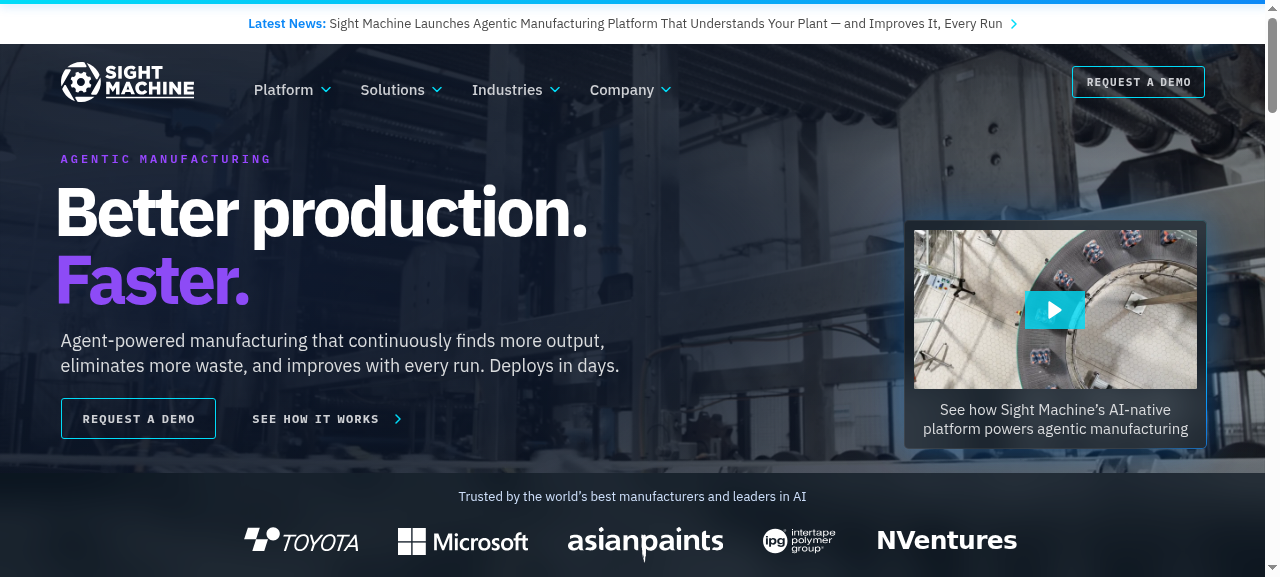
| Sight Machine | Manufacturing Data Cloud | Real-time production visibility and quality analytics | Automotive, packaging, FMCG |
| DataProphet | Prescriptive Plant AI | Autonomous parameter adjustment to eliminate defect rates | Foundries, automotive parts, plastics |
| Pragma | Asset Management | Enterprise reliability engineering and predictive maintenance | South Africa, East Africa mining & industry |
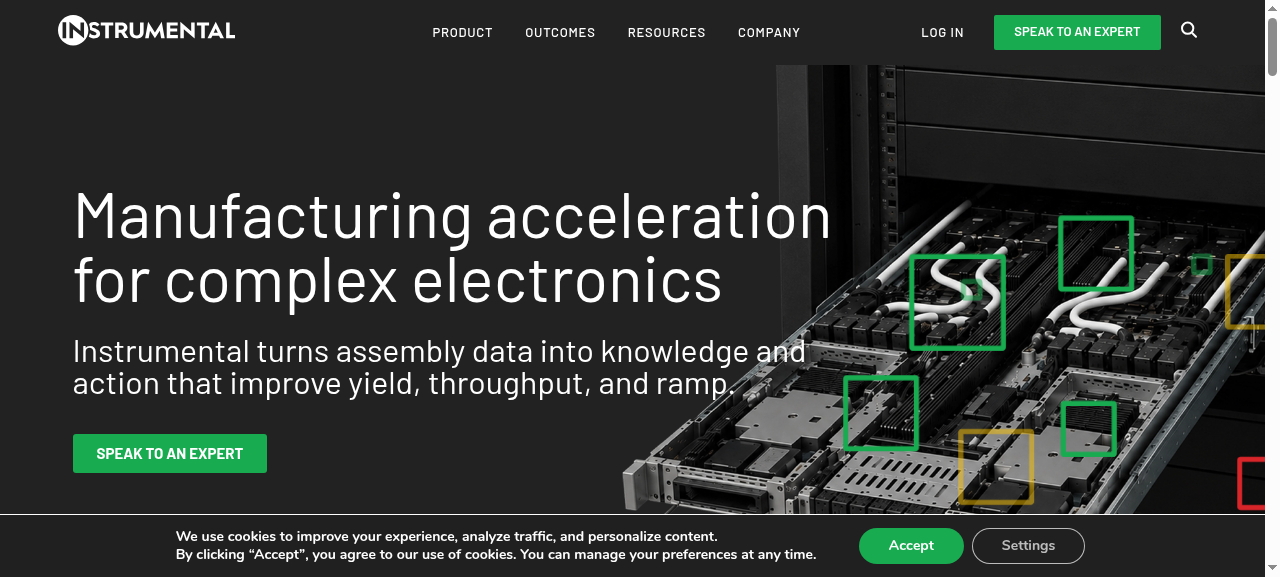
| Instrumental | Vision Inspection | Automated optical fault discovery and teardown tracking | Electronics assembly, medical devices |
| Tulip | Frontline Operations | Interactive digital work instructions and shop-floor tracking | Discrete manufacturing, pharmaceuticals |
Conclusion: Building 21st-Century Industry
Africa’s industrial future is not built on repetitive, low-wage assembly, but on agile, AI-supported precision manufacturing. By adopting computer vision, automated condition monitoring, and intelligent production planning, African factories can bypass legacy equipment traps and establish world-class manufacturing enterprises fit for global commerce.
Written by AppSwifts — engineering intelligent systems and digital infrastructure for modern enterprises. Visit appswifts.com to learn more.
Comments
Post a Comment