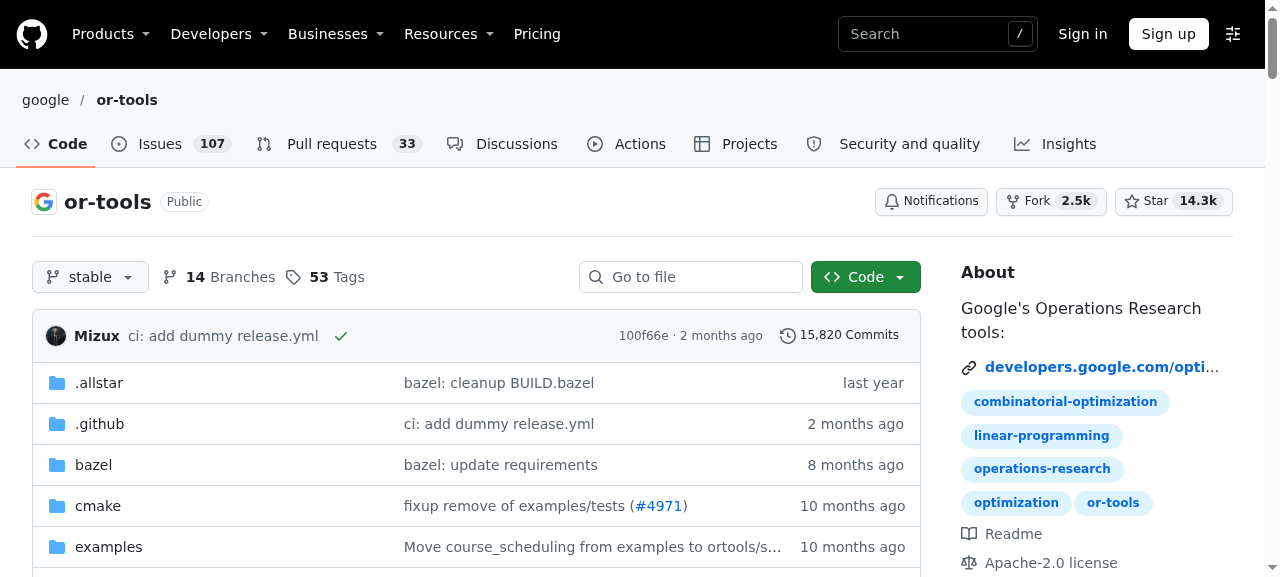
Trade is the primary engine of economic acceleration — and logistics is the operational rail of trade. Under the African Continental Free Trade Area (AfCFTA), the ability to transport freight affordably and predictably across borders determines industrial viability. Historically, transport costs across African trade corridors have represented between 30% and 50% of finished commodity value due to port delays, unpaved feeder routes, and manual dispatching. In 2026, artificial intelligence, mathematical optimization solvers, and telematics pipelines are transforming continental supply chains.
Freight networks across the Northern Corridor (Mombasa into Kigali and Kampala) and Southern transit routes are replacing manual dispatcher phone trees with autonomous dispatching agents. By pairing vehicle routing problem (VRP) algorithms with real-time GPS telemetry, logistics coordinators slash deadhead mileage, minimize fuel consumption, and accelerate border clearance.
The Four Pillars of Modern Supply Chain Optimization
- Combinatorial Vehicle Routing: Solving multi-stop Capacitated Vehicle Routing Problems (CVRP) with hard delivery time windows and road weight restrictions.
- Predictive Fleet Maintenance: Ingesting CAN bus engine diagnostics, tire pressure telemetry, and braking cycles to schedule shop visits before highway failure.
- Border & Port Demurrage Analytics: Predicting container dwell periods at major terminals (Durban, Mombasa, Lagos Lekki) to optimize drayage collection timing.
- Last-Mile Geocoding & Landmark Resolution: Using natural language models to translate colloquial address descriptions into exact coordinates for urban couriers.
Video Masterclass: State of Logistics — Volatility, Resilience, and AI Automation
Watch this executive briefing on agentic dispatching, freight visibility, and replacing transactional supply chain busywork with AI:
1. High-Performance Turn-by-Turn Routing (Project OSRM)
Sub-millisecond route calculation and travel time matrices powered by OpenStreetMap road network graphs.
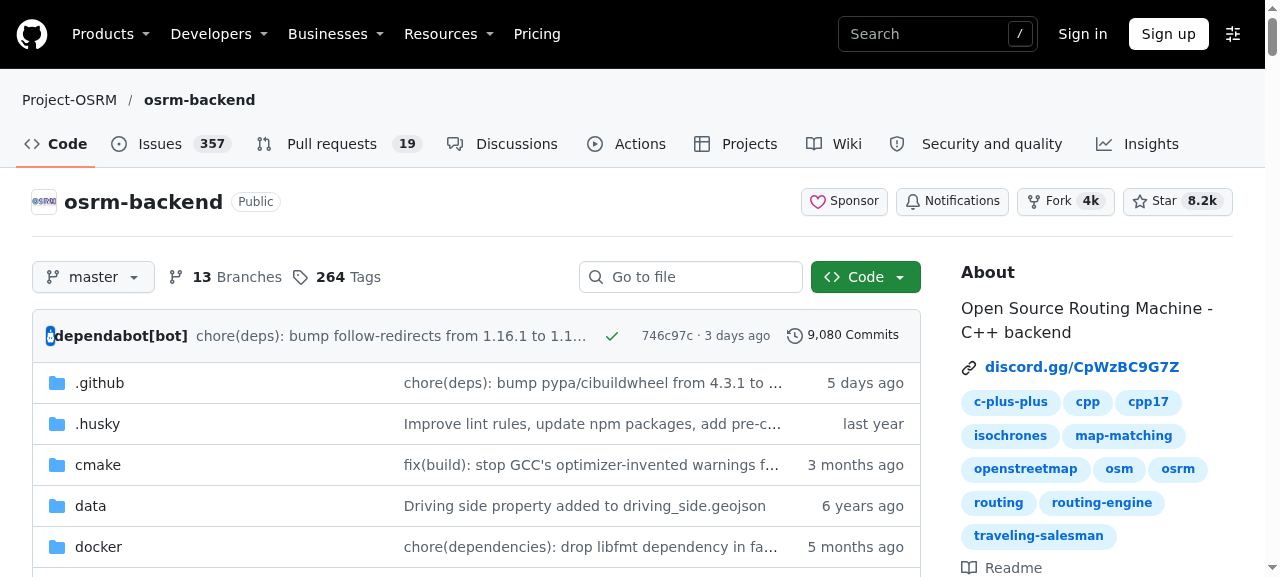
OSRM computes millions of point-to-point distance matrices per minute, enabling real-time rerouting around highway bottlenecks and bridge repairs.
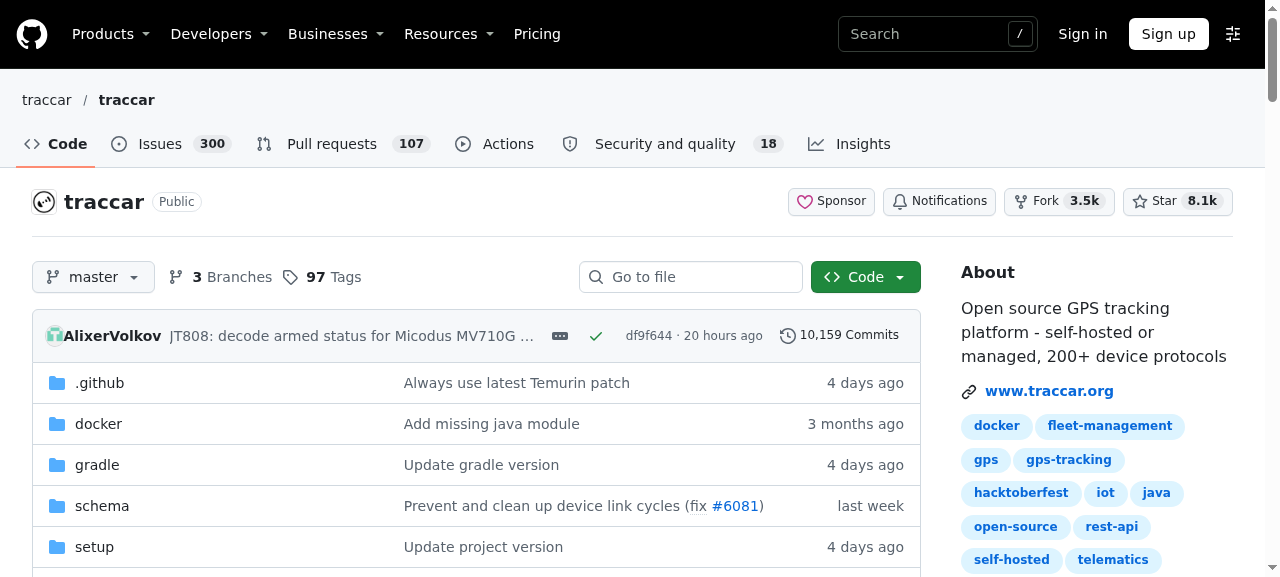
2. Open Source Telematics & GPS Fleet Tracking (Traccar)
Self-hosted GPS tracking platform supporting over 200 communication protocols from hardware OBD-II dongles and asset sensors.
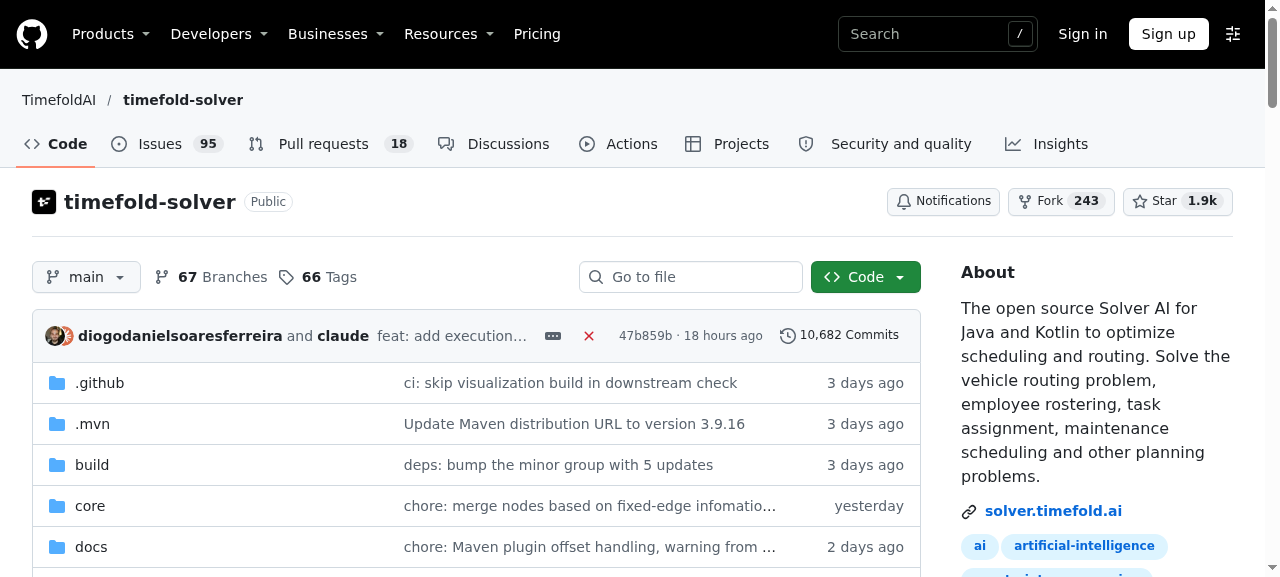
3. Automated Shift Rostering & Vehicle Planning (Timefold Solver)
AI constraint solver optimizing driver shift legal hours, delivery sequencing, and cross-docking logistics to eliminate idle dwell times.
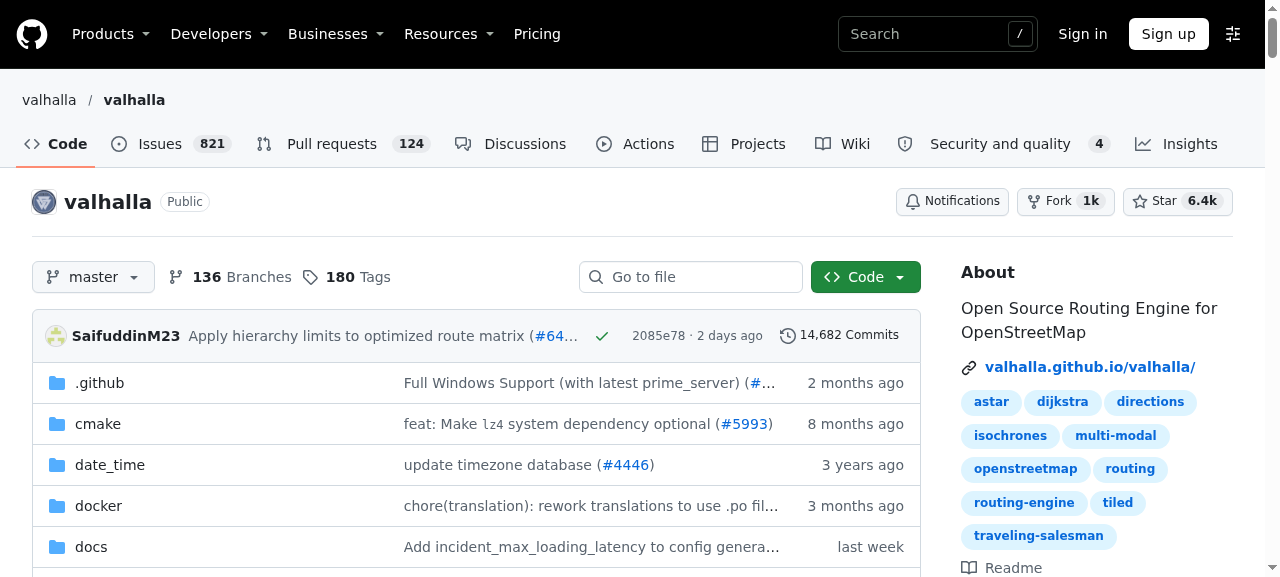
4. Multimodal Cross-Border Logistics Routing (Valhalla)
Advanced routing engine handling ferry transits, customs checkpoints, dynamic elevation penalties, and unpaved terrain restrictions.
Industry Presentation: Agentic AI & The Autonomous Supply Chain
Supply chain leaders explain how forward-deployed agents automate warehouse slotting, freight lane matching, and exception handling:
Supply Chain Optimization Architecture Matrix
| Operational Problem | Algorithm / Engine | Measurable Outcome |
|---|---|---|
| Multi-Drop Route Optimization | Google OR-Tools / Timefold | 15–22% reduction in fleet fuel consumption and route miles |
| Real-Time Distance Matrices | Project OSRM / Valhalla | Instant re-dispatching when transit checkpoints backlog |
| Asset Telematics Ingestion | Traccar / InfluxDB | Continuous monitoring of driver speed, idle time, and cold-chain temp |
| Customs Clearing Exceptions | LLM Agent + OCR | Automated bill-of-lading and customs declaration reconciliation |
By connecting open mathematical optimization solvers to real-time telematics streams, African logistics networks are building the resilient digital infrastructure required to power continental trade.
Build Scalable Logistics Systems with AppSwifts
Are you building dispatch optimization engines, telematics tracking platforms, or freight marketplace backends? AppSwifts builds resilient routing software, geospatial integrations, and high-throughput cloud architectures.
Comments
Post a Comment