AI in Governance and Public Services 2026: How Artificial Intelligence Is Transforming How Africa Is Governed
Governments are the largest data holders in most African countries, and for decades that data sat in filing cabinets. Digital identity systems, tax administration, and public health surveillance are now being rebuilt around AI in a number of countries. The upside is faster, fairer services. The risk is what happens when a model makes a mistake about a citizen and no human is in the loop.
Good governance is the foundation of every successful society — and Africa’s development trajectory depends critically on the ability of governments to deliver effective public services, maintain the rule of law, manage public resources responsibly, and respond to the needs of citizens. In 2026, artificial intelligence is transforming how African governments operate — from AI-powered digital identity systems that give every citizen a verifiable identity, to AI tax administration platforms that dramatically increase government revenue, to AI-driven public health surveillance systems that protect populations from disease outbreaks. The promise of AI in governance is a more efficient, more responsive, more transparent, and more accountable state — one that delivers better services to more citizens at lower cost.
This guide covers the most impactful AI applications in African governance and public services in 2026, the leading platforms and countries driving the transformation, and what the AI governance revolution means for African citizens, public servants, and the institutions that shape the continent’s future.
Africa’s Governance Imperative
Africa’s governments face an extraordinary challenge: delivering quality public services to rapidly growing, increasingly urban, and increasingly educated populations with limited financial resources, constrained administrative capacity, and infrastructure gaps that make traditional service delivery models unworkable. The continent’s tax-to-GDP ratios are among the world’s lowest, meaning governments have less revenue per citizen to spend on services. Corruption and inefficiency drain the resources that are available. And the sheer geographic scale and diversity of African nations makes uniform service delivery enormously difficult. AI tools that help governments do more with less — automating routine processes, targeting services more effectively, detecting fraud and corruption, and enabling data-driven decision-making — are not luxuries for African governments. They are operational necessities.
1. AI in Digital Identity and Civil Registration
AI-Powered National ID Systems
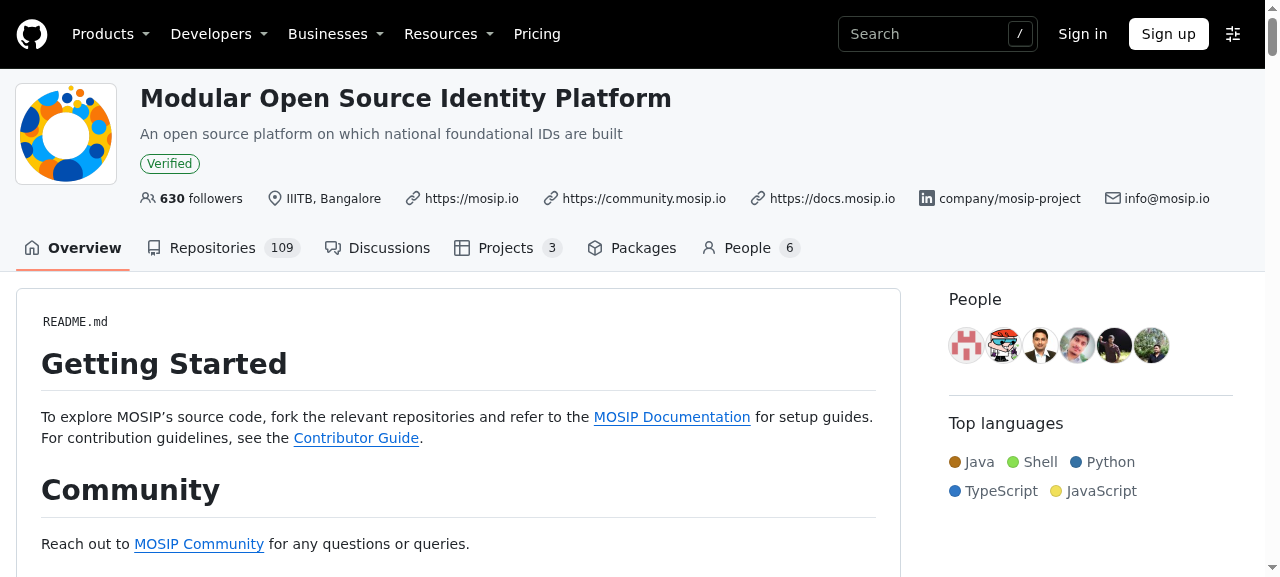
A verifiable identity is the foundation of access to government services, financial inclusion, healthcare, education, and economic participation. An estimated 500 million Africans — roughly 40% of the continent’s population — lack official identification documents. AI-powered digital identity systems are helping African governments register citizens more efficiently and securely. AI biometric enrolment systems use facial recognition, fingerprint scanning, and iris recognition to create unique digital identities for citizens quickly and at scale. AI document verification systems authenticate identity documents and detect fraud. And AI deduplication systems identify and remove duplicate registrations from national ID databases. Rwanda’s national ID system, Kenya’s Huduma Namba programme, Nigeria’s National Identity Management Commission, and South Africa’s Home Affairs digital transformation are all deploying AI to strengthen national identification infrastructure.
AI in Voter Registration and Electoral Management
Free, fair, and credible elections are the cornerstone of democratic governance, and AI is strengthening African electoral systems in multiple ways. AI biometric voter registration systems create accurate, deduplicated voter rolls that eliminate ghost voters and multiple registrations. AI electoral boundary delimitation tools use population data and geographic analysis to create fair constituency boundaries. AI results transmission systems accelerate the counting and reporting of election results while maintaining an auditable record. And AI monitoring tools help civil society organisations and election observers detect irregularities in electoral data in real time. The African Union’s Electoral Assistance Division and electoral management bodies across the continent are increasingly deploying AI tools to strengthen electoral integrity.
2. AI in Tax Administration and Revenue Collection
Tax revenue is the lifeblood of effective government — and Africa’s tax collection rates are among the lowest in the world, leaving governments starved of the resources needed to fund schools, hospitals, roads, and security. AI is transforming tax administration across the continent. AI risk profiling systems analyse taxpayer data to identify non-filers, under-declarers, and fraudulent refund claims with far greater accuracy than manual audit selection. AI VAT compliance systems cross-reference invoice data between buyers and sellers to detect mismatches that indicate tax evasion. And AI taxpayer service tools — including AI chatbots and virtual assistants — help taxpayers understand their obligations and file accurately, reducing unintentional non-compliance. The South African Revenue Service (SARS), Kenya Revenue Authority (KRA), and Ghana Revenue Authority (GRA) are among the African tax agencies deploying AI tools that have delivered significant increases in tax collection.
3. AI in Public Financial Management
Managing government finances — budgeting, procurement, expenditure control, and financial reporting — is a critical governance function that is too often undermined by inefficiency, waste, and corruption. AI public financial management tools are strengthening financial governance across African governments. AI budget analysis tools identify inefficiencies and misallocations in government spending. AI procurement fraud detection systems flag suspicious patterns in government contracting — including bid rigging, collusion, and conflicts of interest — before public funds are lost. And AI expenditure monitoring systems provide real-time visibility of government spending against budget, enabling earlier identification of overspending or underspending and faster corrective action. The World Bank’s support for AI-enhanced public financial management systems across African governments is helping build the institutional capacity for more responsible resource management.
4. AI in Digital Government Services
AI-Powered e-Government Platforms
Delivering government services digitally — enabling citizens to access permits, licences, certificates, benefits, and information online rather than through time-consuming and often corrupt in-person bureaucratic processes — is one of the highest-impact applications of AI in African governance. AI-powered e-government platforms automate the processing of routine applications, reducing processing times from weeks to minutes. AI document analysis tools automatically extract and verify information from application documents. And AI eligibility assessment systems automatically determine whether applications meet the criteria for approval, removing the discretionary human judgement that creates opportunities for corruption. Kenya’s eCitizen platform, Rwanda’s Irembo, and South Africa’s expanding digital government services are among Africa’s most advanced e-government implementations.
AI Chatbots for Citizen Services
AI chatbots and virtual assistants are transforming how African citizens interact with government agencies — providing instant, 24-hour access to government information and services in local languages via platforms that citizens already use, including WhatsApp, USSD, and SMS. AI chatbots can answer questions about government services, guide citizens through application processes, provide status updates on applications, and escalate complex queries to human agents. For African citizens in rural areas who previously had to travel long distances to access government offices, AI chatbot services available on basic mobile phones represent a genuinely transformative improvement in government accessibility. Ghana’s GhanaPostGPS, Tanzania’s government service chatbots, and multiple AI citizen service platforms deployed by African governments are demonstrating the power of conversational AI in public service delivery.
5. AI in Law Enforcement and Justice
Effective law enforcement and access to justice are fundamental governance functions that AI is beginning to transform in Africa, albeit with important ethical considerations that must be carefully managed. AI case management systems are reducing the enormous backlogs in African court systems by automating routine case scheduling, document management, and administrative processes. AI legal aid chatbots are providing basic legal information to citizens who cannot afford lawyers. AI crime analytics platforms help police services identify crime patterns and allocate patrol resources more effectively. And AI forensics tools — including AI-powered fingerprint analysis, DNA matching, and digital forensics — are improving the quality of criminal investigations. South Africa’s National Prosecuting Authority, Kenya’s judiciary, and Rwanda’s justice sector are among those deploying AI tools to improve justice system efficiency and accessibility.
6. AI in Social Protection and Benefits Administration
Social protection programmes — cash transfers, food assistance, disability grants, and pension payments — are critical safety nets for millions of vulnerable African citizens. But reaching eligible beneficiaries, verifying eligibility, and delivering payments accurately and efficiently is a major administrative challenge. AI targeting systems analyse multiple data sources to identify households that meet eligibility criteria for social protection programmes — enabling more accurate targeting that reaches those most in need while excluding ineligible claimants. AI fraud detection systems identify duplicate registrations, deceased beneficiaries, and fraudulent claims. And AI payment systems use mobile money platforms to deliver social grants directly to beneficiaries’ mobile wallets, eliminating the fraud and leakage that plague cash-based payment systems. South Africa’s SASSA grant payment system, Kenya’s Hunger Safety Net Programme, and Ethiopia’s Productive Safety Net Programme are all deploying AI tools to improve social protection delivery.
7. AI in Urban Planning and Land Administration
Land tenure insecurity is one of Africa’s most significant governance challenges — with millions of families lacking formal title to the land they have farmed or the homes they have built for generations. AI land administration tools are helping African governments digitise and modernise land registries, adjudicate land disputes more efficiently, and issue land titles to previously unregistered landholders at scale. AI satellite mapping tools identify informal settlements and agricultural land use patterns. AI cadastral systems maintain accurate, fraud-resistant digital records of land ownership and transactions. And AI land dispute resolution systems help courts and administrative bodies resolve the enormous backlogs of land disputes that cloud property rights and deter investment across the continent.
Key AI Governance Platforms in Africa
- Kenya eCitizen: AI-enhanced digital government services platform. Over 5,000 government services accessible online. Model for pan-African e-government.
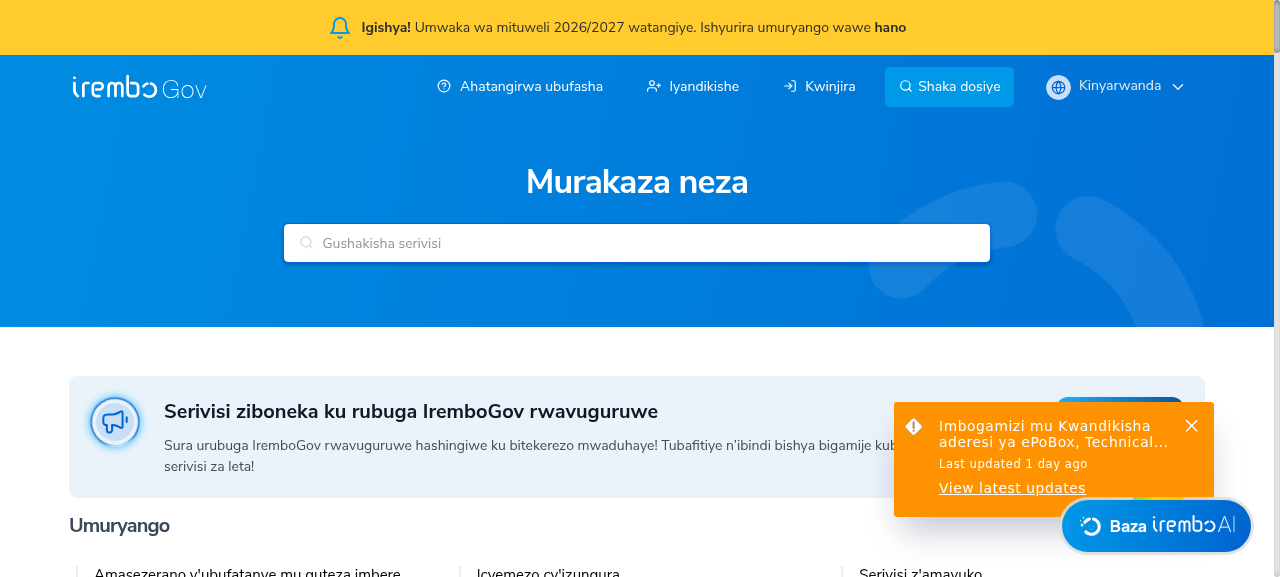
- Rwanda Irembo: Comprehensive AI-powered e-government platform. One of Africa’s most advanced digital government implementations.
- SARS (South Africa): AI-powered tax administration system with advanced risk profiling and fraud detection.
- NIMC (Nigeria): AI biometric national identity management system. One of Africa’s largest digital identity programmes.
- African Union Border Management: AI-enhanced border management and cross-border identification systems.
- GovStack: UN-backed open-source AI government technology building blocks being deployed by multiple African governments.
- SASSA (South Africa): AI-enhanced social grant administration and payment system serving 18 million beneficiaries.
The Promise and the Peril of AI Governance
AI governance tools offer transformative potential for African citizens — but they also carry significant risks that must be carefully managed. AI systems that automate decisions about citizens’ access to services, benefits, or justice must be transparent, explainable, and subject to meaningful human oversight and appeal mechanisms. AI surveillance tools that enhance government capacity to monitor citizens can be used for democratic accountability or authoritarian control — depending entirely on the governance context in which they are deployed. And AI identity systems that create comprehensive digital profiles of citizens must be subject to strong data protection frameworks that prevent their misuse. African governments, civil society organisations, and technology providers all have a responsibility to ensure that AI governance tools strengthen rather than undermine the rights, dignity, and democratic participation of African citizens.
Modernize Public Sector Systems with AppSwifts
Deploy secure citizen service portals, automated compliance audits, and robust data pipelines built for institutional reliability. AppSwifts builds digital infrastructure that scales with national demands.
Comments
Post a Comment