Introduction
Artificial Intelligence is no longer theoretical software reserved for enterprise budgets. Across Kigali, Nairobi, Lagos, and Accra, small and medium enterprises (SMEs) face distinct operational realities: tight staffing, currency volatility, multilingual customer bases, and heavy reliance on chat-driven commerce via WhatsApp. In 2026, pragmatic AI tools bridge these exact execution gaps without demanding custom engineering teams.
Rather than replacing workers, high-performing African businesses deploy focused automation to eliminate administrative drag. Here is an operational breakdown of how modern SMEs use AI to scale revenue, maintain cash flow, and outpace regional competitors.
1. AI-Powered Customer Service & WhatsApp Commerce
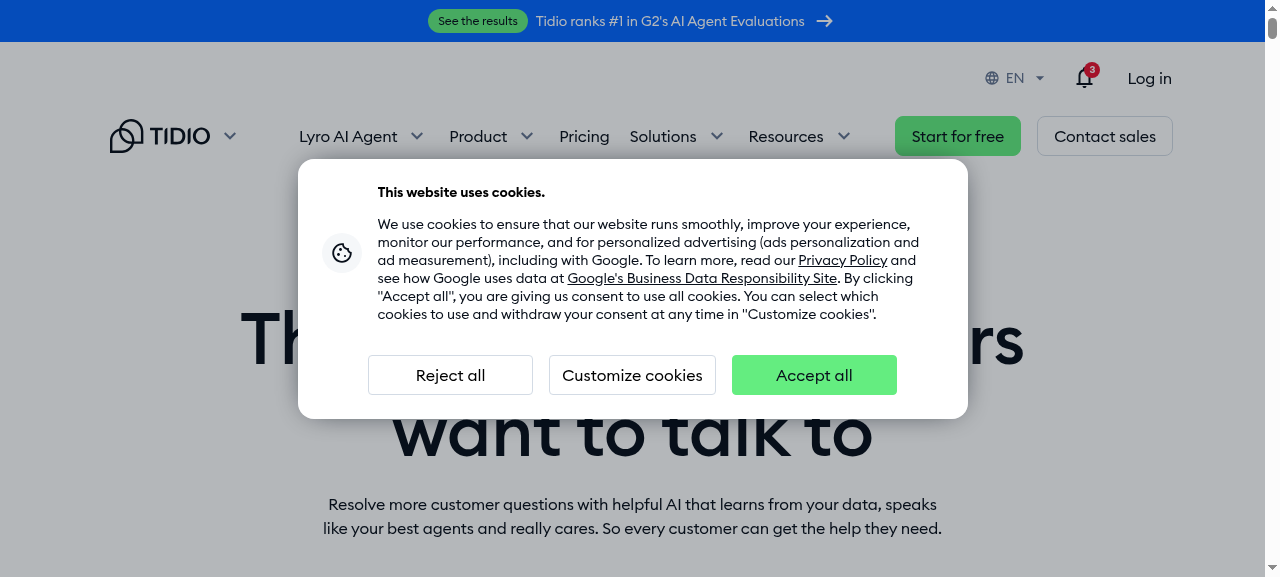
In African retail and hospitality, business happens in direct messages. When prospective buyers must wait hours for a price quote or menu list, conversion drops immediately. AI conversational agents connected to WhatsApp Business APIs now qualify inbound leads around the clock.
Practical applications in 2026:
- Multilingual customer triage: Modern models understand regional phrasing across English, French, Swahili, and Kinyarwanda, answering routine inquiries regarding operating hours, locations, and pricing tiers automatically.
- Instant reservation booking: Safari operators in Musanze and boutique hotels in Kigali use conversational bots to capture dates, guest counts, and contact details, writing booking requests directly into reservation software before human staff take over for payment confirmation.
- Automated menu browsing: Restaurants use QR-linked bots to instantly serve PDF/web menus, capture order choices, and pass tickets straight to kitchen printers.
2. Smart Marketing and High-Intent Personalization
Spray-and-pray advertising burns small budgets quickly. Local service businesses and retailers deploy AI tooling to segment customers based on actual purchasing habits rather than assumptions.
Instead of sending generic weekly email broadcasts, platforms like MailerLite, Brevo, and Klaviyo utilize behavioral triggers to deploy targeted follow-ups: re-engaging past clients 30 days after a purchase, notifying repeat wholesale buyers when inventory restocks, and optimizing send times for peak mobile engagement.
3. AI for Financial Management & Tax Reconciliation
Poor bookkeeping and uncollected invoices remain the leading cause of early-stage business failure across emerging markets. Optical character recognition (OCR) and financial classification algorithms turn days of manual ledger entries into passive background tasks.
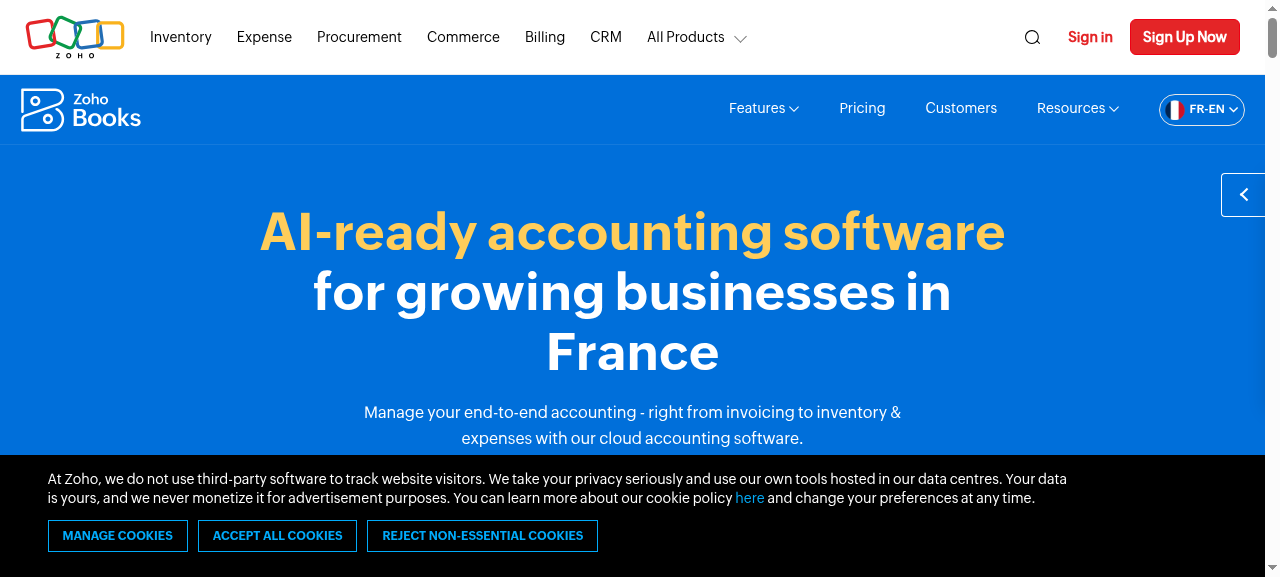
- Receipt capture and expense matching: Tools like QuickBooks Online, Wave, and Zoho Books parse mobile money receipts (MTN MoMo, Airtel Money, M-Pesa statements) and bank PDFs, auto-matching expenses against vendor invoices.
- Predictive cash flow warnings: Rather than looking backward at monthly profit-and-loss sheets, AI forecasting flags upcoming working capital deficits 14 days in advance by tracking open receivables against fixed payroll commitments.
- Automated collections: Dynamic reminder cadences send polite, escalation-tier payment notices via SMS and email, dropping average days sales outstanding (DSO) without damaging vendor relationships.
4. Generative AI for Productivity & Knowledge Work

Frontline staff and founders across East Africa deploy large language models as immediate co-pilots for draft proposals, customer email triage, contract summaries, and multilingual translations. Whether drafting responses to tender documents or producing bilingual website copy, generative AI levels the playing field against enterprise teams.
Action Plan: How to Implement AI in Your Business This Month
- Audit your biggest time leak: Pinpoint the single repetitive task consuming your team's hours—whether answering the same 5 customer questions, typing receipts, or writing sales proposals.
- Deploy one dedicated tool first: Avoid attempting an all-at-once overhaul. Start with an automated WhatsApp inbox assistant or an OCR accounting pipeline.
- Keep humans in the validation loop: Use AI to generate first drafts, balance reconciliations, and initial responses, but retain final managerial review before money moves or contracts execute.
Need Custom AI & Web Automation for Your Business?
AppSwifts builds enterprise web applications, WhatsApp CRM integrations, and automated workflows designed specifically for African companies.
Comments
Post a Comment